
70 Dahill Rd, Brooklyn, NY, United States, 11218

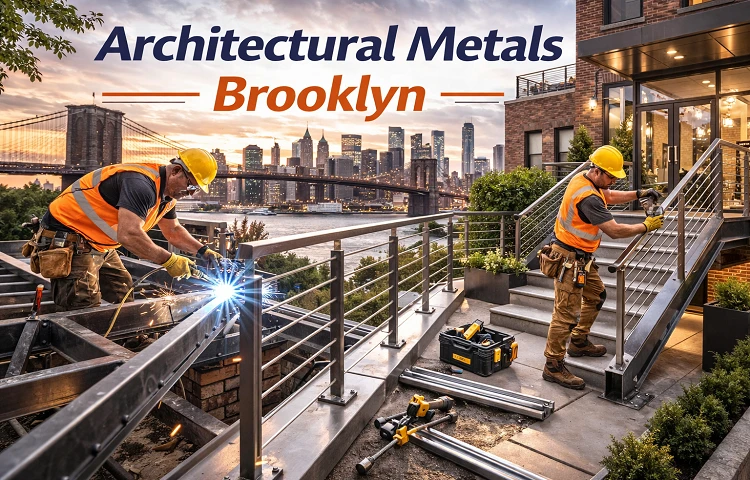
Architectural Metals Brooklyn Your Complete Guide to Custom Metalwork and Fabrication

Brooklyn's architectural landscape is defined by its unique blend of historic brownstones, industrial heritage, and cutting-edge modern construction. At the h...


Brooklyn's architectural landscape is defined by its unique blend of historic brownstones, industrial heritage, and cutting-edge modern construction. At the heart of this transformation lies the strategic use of architectural metals – materials that seamlessly bridge functionality with aesthetic appeal. Whether you're restoring a century-old brownstone or designing a contemporary commercial space, understanding architectural metals is crucial for any successful Brooklyn construction project.

This comprehensive guide explores everything you need to know about architectural metals in Brooklyn, from material selection and fabrication techniques to real-world applications and local regulations. As specialists in Brooklyn's construction landscape, we'll share insights that help you make informed decisions for your next project.

What Are Architectural Metals and Why Do They Matter in Brooklyn?

Architectural metals encompass any metal materials specifically designed and fabricated for building construction, both structural and decorative applications. These materials serve dual purposes: providing essential structural support while enhancing the visual appeal of residential, commercial, and public spaces throughout Brooklyn.

In Brooklyn's unique urban environment, architectural metals play several critical roles:

Structural Integrity: From the steel framework supporting high-rise buildings to custom railings ensuring safety, metals provide unmatched strength and durability.

Aesthetic Enhancement: Decorative metalwork transforms ordinary spaces into distinctive architectural statements that reflect Brooklyn's character.

Weather Resistance: Brooklyn's climate demands materials that withstand temperature fluctuations, humidity, and urban pollutants – making metals an ideal choice.

Historic Preservation: Many of Brooklyn's landmark buildings rely on architectural metals for authentic restoration and preservation efforts.

The borough's construction industry has embraced architectural metals as essential components that address both practical needs and design aspirations, making Brooklyn a recognized hub for innovative metalwork.

The Evolution of Architectural Metals in Brooklyn's Construction Landscape

Brooklyn's relationship with architectural metals spans over a century, deeply rooted in the borough's industrial heritage. The Navy Yard, once a major shipbuilding facility, established Brooklyn as a center for metalworking expertise that continues to influence modern construction practices.

Historical Foundation

The iconic brownstones that define Brooklyn's residential neighborhoods showcase early architectural metalwork through ornate iron railings, fire escapes, and decorative cornices. These historic applications established design principles that contemporary projects still reference today.

Industrial buildings throughout neighborhoods like DUMBO, Red Hook, and Greenpoint feature exposed steel beams, metal sash windows, and industrial-grade hardware – elements now sought after in modern adaptive reuse projects.

Modern Applications

Today's Brooklyn construction projects leverage advanced metallurgy, precision fabrication techniques, and innovative finishing processes to create architectural metals that exceed historical limitations while honoring traditional aesthetics.

Contemporary applications include:

  • Glass and steel curtain walls for modern office buildings
  • Custom stainless steel kitchen equipment for Brooklyn's renowned restaurant scene
  • Weathering steel facades that develop distinctive patina over time
  • Integrated LED lighting systems within metal architectural elements

Types of Architectural Metals Used in Brooklyn Projects

Understanding different metal types and their properties enables informed material selection for your specific project requirements.

Steel: The Backbone of Brooklyn Construction

Structural Steel forms the skeleton of Brooklyn's modern buildings. High-strength carbon steel provides exceptional load-bearing capacity essential for multi-story construction in dense urban environments.

Key applications include:

  • Building frames and support columns
  • Floor and roof decking systems
  • Seismic reinforcement in renovation projects
  • Custom fabricated structural connections

Stainless Steel offers superior corrosion resistance and aesthetic appeal, making it ideal for visible architectural elements. Its low maintenance requirements suit Brooklyn's urban environment where cleaning access may be limited.

Popular uses include:

  • Exterior railings and balustrades
  • Kitchen and restaurant equipment
  • Decorative wall panels and cladding
  • Custom furniture and fixtures

Aluminum: Lightweight and Versatile

Aluminum's excellent strength-to-weight ratio makes it particularly valuable in Brooklyn's constrained construction sites where material handling efficiency matters.

Extruded Aluminum Systems provide consistent profiles ideal for:

  • Window and door frames
  • Curtain wall systems
  • Canopies and awning structures
  • Signage and architectural details

Sheet Aluminum offers design flexibility for:

  • Custom facade panels
  • Roofing and flashing applications
  • Interior ceiling systems
  • Perforated screens for privacy and shading

Brass and Bronze: Luxury and Tradition

These copper-based alloys bring warmth and sophistication to Brooklyn projects while referencing the borough's historic architectural character.

Brass Applications include:

  • Entry door hardware and signage
  • Decorative lighting fixtures
  • Custom millwork accents
  • Historic restoration elements

Bronze provides superior weather resistance for:

  • Exterior door and window hardware
  • Memorial plaques and building identification
  • Artistic installations and sculptures
  • High-end residential details

Copper: Natural Beauty and Performance

Copper's natural aging process creates distinctive green patina that has become synonymous with Brooklyn's architectural identity.

Common applications:

  • Roofing systems and gutters
  • Building cladding and siding
  • Water management systems
  • Decorative accent panels

Specialty Metals and Alloys

Weathering Steel (Corten) develops a stable rust-like appearance that eliminates the need for painting while providing excellent corrosion resistance.

Zinc offers exceptional longevity with minimal maintenance requirements.

Custom Alloys can be specified for unique performance characteristics or aesthetic requirements.

Exterior Applications of Architectural Metals in Brooklyn

Building Facades and Curtain Walls

Modern Brooklyn construction increasingly features metal facade systems that provide weather protection, energy efficiency, and distinctive aesthetic character.

Curtain Wall Systems utilize aluminum or steel frameworks with glass infill to create transparent building envelopes. These systems offer:

  • Maximum natural light penetration
  • Superior thermal performance
  • Reduced structural loads
  • Design flexibility for complex geometries

Metal Cladding provides durable, low-maintenance exterior surfaces. Popular options include:

  • Standing seam metal roofing extended to wall applications
  • Perforated metal screens for privacy and solar control
  • Composite metal panels with insulated cores
  • Custom-formed metal panels for unique architectural expressions

Canopies, Awnings, and Shading Systems

Brooklyn's dense urban environment creates unique challenges for providing weather protection and outdoor comfort. Architectural metals address these needs through:

Fixed Canopies using steel or aluminum structures with metal, glass, or fabric infill.

Retractable Awning Systems incorporating motorized mechanisms for seasonal adaptation.

Solar Shading Devices featuring adjustable metal louvers or fixed screening elements.

Custom Gates, Fences, and Railings

Security, privacy, and safety requirements in Brooklyn demand robust metal barrier systems that also contribute to architectural character.

Security Gates for storefronts and residential entrances balance protection with visual appeal through:

  • Decorative scrollwork and patterns
  • Powder-coated finishes in custom colors
  • Integration with electronic access control systems
  • Quick-release mechanisms for emergency egress

Residential Fencing enhances privacy while maintaining neighborhood character through:

  • Custom height and spacing configurations
  • Decorative post caps and panel inserts
  • Matching gate hardware and latching mechanisms
  • Coordination with landscape design elements

Safety Railings meet code requirements while providing architectural distinction through:

  • Custom baluster designs and spacing
  • Integrated lighting systems
  • Powder-coated or specialty finishes
  • ADA-compliant configurations

Interior Applications of Architectural Metals

Staircases and Balustrades

Interior stairs represent one of the most visible and impactful uses of architectural metals in Brooklyn projects.

Steel Frame Stairs provide structural efficiency and design flexibility:

  • Open riser configurations maximize light transmission
  • Custom tread materials including wood, glass, or metal
  • Integrated handrail systems
  • Powder-coated finishes to match interior color schemes

Stainless Steel Handrails offer durability and contemporary aesthetics:

  • Brushed, polished, or textured surface finishes
  • Custom end connections and mounting systems
  • Integration with glass panel infill
  • Compliance with building code grip requirements

Decorative Balustrades enhance safety while creating architectural focal points:

  • Custom patterns and geometric designs
  • Mixed materials combining metal with wood or glass
  • Integrated LED lighting for accent illumination
  • Historical reproduction for restoration projects

Wall Panels and Feature Ceilings

Metal surfaces create dramatic interior environments while providing practical benefits.

Wall Panel Systems offer:

  • Acoustic performance improvements
  • Durable, cleanable surfaces for commercial applications
  • Custom perforation patterns for visual interest
  • Integration with mechanical and electrical systems

Metal Ceilings provide:

  • Fire-resistant assemblies meeting code requirements
  • Access to above-ceiling utilities through removable panels
  • Integrated lighting and HVAC diffuser coordination
  • Custom finishes and textures

Custom Furniture and Fixtures

Brooklyn's design-conscious market demands unique furniture solutions that architectural metals can provide.

Custom Cabinetry incorporates:

  • Stainless steel countertops and work surfaces
  • Metal framework with wood or glass infill
  • Integrated hardware and mounting systems
  • Commercial-grade durability for restaurant and retail applications

Architectural Fixtures include:

  • Custom lighting fixtures and chandeliers
  • Display systems for retail environments
  • Integrated technology mounting solutions
  • Artistic installations and sculptures

Urban and Public Space Applications

Sculptures and Public Art Installations

Brooklyn's vibrant arts community utilizes architectural metals to create lasting public installations that enhance neighborhood character.

Weather-Resistant Sculptures utilize:

  • Weathering steel for natural aging effects
  • Stainless steel for permanent appearance
  • Bronze for traditional artistic applications
  • Custom patina treatments for unique appearances

Interactive Installations incorporate:

  • Integrated LED lighting systems
  • Motion sensors and responsive technologies
  • Sustainable materials and energy sources
  • Community engagement elements

Park Benches, Lighting, and Signage

Public infrastructure requires materials that withstand heavy use and variable weather conditions.

Site Furniture features:

  • Vandal-resistant construction techniques
  • Low-maintenance surface finishes
  • Universal design principles for accessibility
  • Integration with sustainable materials like recycled content

Lighting Systems utilize:

  • LED technology for energy efficiency
  • Custom fixtures reflecting neighborhood character
  • Smart controls for adaptive illumination
  • Integration with public safety systems

Wayfinding Signage incorporates:

  • Durable materials resistant to graffiti and weathering
  • Consistent design systems for neighborhood identity
  • ADA-compliant tactile elements
  • Multi-language considerations for diverse communities

Transit and Infrastructure Elements

Brooklyn's extensive public transportation network requires specialized metal applications.

Transit Shelters feature:

  • Clear span structures minimizing ground-level obstructions
  • Integrated seating, lighting, and information displays
  • Weather protection optimized for local climate conditions
  • Anti-vandalism design strategies

Infrastructure Elements include:

  • Bicycle parking and storage systems
  • Pedestrian barriers and traffic control devices
  • Utility screening and equipment enclosures
  • Stormwater management components

The Fabrication and Installation Process

Design and Consultation Phase

Successful architectural metal projects begin with comprehensive planning and collaboration between all project stakeholders.

Initial Consultation addresses:

  • Project scope and budget parameters
  • Aesthetic preferences and functional requirements
  • Timeline constraints and coordination needs
  • Regulatory compliance and permitting requirements

Design Development includes:

  • Detailed drawings and specifications
  • Material selection and finish specifications
  • Structural engineering coordination
  • Cost estimation and value engineering

3D Modeling and Visualization provides:

  • Accurate representations of proposed designs
  • Coordination with other building systems
  • Early identification of potential conflicts
  • Client approval and revision processes

Metal Fabrication Techniques

Modern fabrication facilities utilize advanced equipment and techniques to ensure precision and quality.

Cutting Technologies include:

  • Laser cutting for precise, clean edges
  • Plasma cutting for thick steel sections
  • Water jet cutting for complex shapes and sensitive materials
  • Traditional cutting methods for specific applications

Forming and Shaping utilizes:

  • Press brake operations for precise bends
  • Roll forming for curved elements
  • Custom dies and tooling for repetitive elements
  • Hand-forming techniques for unique shapes

Welding and Assembly employs:

  • MIG and TIG welding for structural connections
  • Spot welding for sheet metal assembly
  • Certified welders meeting AWS standards
  • Quality control inspections throughout the process

Surface Preparation and Finishing includes:

  • Sandblasting for optimal coating adhesion
  • Chemical cleaning and etching processes
  • Powder coating for durable, attractive finishes
  • Specialty treatments like anodizing and plating

Installation and Project Management

Professional installation ensures that fabricated components integrate seamlessly with overall construction.

Pre-Installation Planning addresses:

  • Site surveys and field measurements
  • Coordination with general contractors
  • Material delivery and storage logistics
  • Safety planning and equipment requirements

Installation Procedures include:

  • Precise positioning and alignment
  • Structural connections meeting engineering requirements
  • Integration with adjacent building systems
  • Quality control inspections and testing

Project Management encompasses:

  • Schedule coordination with overall construction timeline
  • Communication with all project stakeholders
  • Problem resolution and field modifications
  • Final inspection and client acceptance

Benefits of Using Architectural Metals in Brooklyn

Durability and Longevity

Brooklyn's urban environment subjects building materials to significant stresses including:

  • Temperature cycling from winter freezing to summer heat
  • Salt exposure from winter road treatments
  • Air pollution and acid rain
  • Physical impacts from urban activity

Architectural metals excel in these conditions through:

  • Inherent corrosion resistance of stainless steel and aluminum
  • Protective coatings that prevent rust and deterioration
  • Structural integrity that maintains performance over decades
  • Repairability that extends service life

Low Maintenance Requirements

Unlike wood that requires regular refinishing or masonry that may need repointing, architectural metals typically require minimal ongoing maintenance:

  • Occasional cleaning maintains appearance
  • Protective coatings last for years without renewal
  • Structural components maintain integrity without intervention
  • Replacement of individual components rather than entire systems

Design Versatility

Architectural metals adapt to virtually any design vision:

  • Modern minimalist aesthetics through clean lines and simple forms
  • Traditional designs referencing Brooklyn's historic character
  • Industrial-inspired elements celebrating the borough's heritage
  • Custom colors and finishes matching any palette
  • Integration with glass, wood, stone, and concrete

Property Value Enhancement

Quality architectural metalwork represents a significant investment that pays dividends through:

  • Increased property values due to enhanced aesthetics
  • Improved functionality and user experience
  • Reduced maintenance costs over building lifetime
  • Energy efficiency improvements through optimized building envelope performance

Sustainability Benefits

Modern architectural metals support environmental responsibility through:

  • High recycled content in most metal alloys
  • Complete recyclability at end of service life
  • Energy efficiency improvements reducing operating costs
  • Durability that minimizes replacement frequency
  • Local fabrication reducing transportation impacts

Challenges and Considerations for Brooklyn Projects

Cost Factors and Budget Planning

Architectural metal projects require careful financial planning to balance design aspirations with budget realities.

Material Costs vary significantly based on:

  • Metal type and grade specifications
  • Market conditions and availability
  • Quantity requirements and economies of scale
  • Special alloys or treatments

Fabrication Costs depend on:

  • Complexity of design and required precision
  • Custom tooling or forming requirements
  • Surface preparation and finishing specifications
  • Quality control and testing requirements

Installation Costs include:

  • Site access and logistics challenges
  • Coordination with other trades
  • Specialized equipment and labor requirements
  • Schedule constraints and potential delays

Long-Term Value considerations:

  • Reduced maintenance costs over building lifetime
  • Energy efficiency improvements
  • Enhanced property values
  • Warranty coverage and performance guarantees

Balancing Design Vision with Structural Requirements

Brooklyn's architectural ambitions must align with engineering realities and code compliance.

Load-Bearing Considerations address:

  • Dead loads from the metalwork itself
  • Live loads from occupancy and use
  • Environmental loads including wind, snow, and seismic forces
  • Dynamic loads from building movement and vibration

Connection Design requires:

  • Adequate fastening to existing structure
  • Accommodation of building movement and thermal expansion
  • Corrosion protection at connection points
  • Access for inspection and maintenance

Code Compliance ensures:

  • Structural adequacy meeting local building codes
  • Fire safety requirements and ratings
  • Accessibility compliance with ADA standards
  • Energy code requirements for building envelope elements

Weather Resistance and Climate Considerations

Brooklyn's climate presents specific challenges for architectural metals:

Temperature Cycling causes:

  • Thermal expansion and contraction stresses
  • Potential for fatigue failures at connection points
  • Finish deterioration from UV exposure and temperature extremes
  • Condensation issues in temperature transition zones

Moisture Management addresses:

  • Direct rain exposure and water infiltration
  • Humidity and condensation control
  • Drainage design and water management
  • Vapor barrier coordination

Urban Environmental Factors include:

  • Air pollution and chemical exposure
  • Salt spray from winter road treatments
  • Particulate accumulation and staining
  • Potential for vandalism and physical damage

Regulatory Compliance and Permitting

Brooklyn construction operates under comprehensive regulatory oversight requiring careful attention to compliance.

Building Code Requirements address:

  • Structural design and engineering standards
  • Fire safety and egress requirements
  • Accessibility and universal design standards
  • Energy efficiency and envelope performance

Zoning Compliance ensures:

  • Setback and height restrictions
  • Lot coverage and floor area ratio limits
  • Historic district requirements and design review
  • Special purpose district regulations

Environmental Regulations include:

  • Stormwater management requirements
  • Green building standards and certifications
  • Waste management during construction
  • Air quality and noise control measures

Permit Process involves:

  • Plan review and approval procedures
  • Inspection requirements during construction
  • Certificate of occupancy requirements
  • Ongoing compliance monitoring

Case Studies: Real-World Brooklyn Projects

Historic Brownstone Restoration in Park Slope

A century-old Park Slope brownstone required comprehensive metalwork restoration to maintain its historic character while improving functionality and safety.

Project Scope:

  • Restoration of original cast iron railings and newel posts
  • Custom reproduction of missing decorative elements
  • Installation of code-compliant handrails maintaining historic appearance
  • Integration of modern materials with traditional aesthetics

Challenges Addressed:

  • Matching existing ornate castings through precision reverse engineering
  • Balancing historic preservation requirements with modern safety codes
  • Working within tight urban site constraints
  • Coordinating with Landmarks Preservation Commission approvals

Solutions Implemented:

  • 3D scanning of existing elements for accurate reproduction
  • Custom sand casting to recreate missing decorative components
  • Discrete modern safety elements integrated with historic designs
  • Specialized protective coatings for longevity in urban environment

Results:

  • Seamless integration of new and restored elements
  • Enhanced safety while maintaining historic authenticity
  • Increased property value through quality craftsmanship
  • Recognition from local preservation organizations

Modern Commercial Office in DUMBO

A new construction office building in DUMBO showcased contemporary architectural metalwork while respecting the neighborhood's industrial heritage.

Project Scope:

  • Custom curtain wall system with integrated solar shading
  • Weathering steel accent panels developing natural patina
  • Interior steel staircase with glass infill panels
  • Rooftop mechanical equipment screening

Design Philosophy:

  • Reference to historic industrial architecture through material selection
  • Energy efficiency through optimized building envelope design
  • Visual connectivity between interior and exterior spaces
  • Integration with sustainable building systems

Technical Solutions:

  • High-performance glazing systems reducing energy consumption
  • Structural steel frame enabling large, open floor plates
  • Custom connections allowing for future reconfiguration
  • Integrated building automation systems

Outcomes:

  • LEED Gold certification through sustainable design strategies
  • Tenant satisfaction with natural light and flexible spaces
  • Architectural recognition for sensitive contextual design
  • Model for future development in historic industrial districts

Restaurant Renovation in Williamsburg

A former warehouse space was transformed into a popular restaurant featuring extensive architectural metalwork supporting both functional and aesthetic requirements.

Project Elements:

  • Open kitchen with custom stainless steel equipment and hood systems
  • Exposed steel beam ceiling with integrated lighting and utilities
  • Custom bar fabrication with integrated refrigeration and service equipment
  • Dining area screens providing acoustic and visual privacy

Functional Requirements:

  • Commercial kitchen ventilation and fire suppression integration
  • Durability for heavy restaurant use and frequent cleaning
  • Flexibility for future layout modifications
  • Compliance with health department and accessibility standards

Design Integration:

  • Industrial aesthetic celebrating building's warehouse heritage
  • Custom lighting integrated with steel structure
  • Mixed materials including reclaimed wood and contemporary metals
  • Acoustic treatments hidden within decorative metal elements

Business Impact:

  • Reduced construction timeline through prefabrication
  • Lower maintenance costs through material selection
  • Enhanced dining experience through thoughtful design
  • Increased revenue capacity through efficient layout

Current Trends in Brooklyn Architectural Metals

Sustainable and Recycled Materials

Environmental consciousness increasingly influences material selection for Brooklyn projects.

Recycled Content: Modern steel and aluminum incorporate significant percentages of recycled materials without compromising performance. Many projects now specify minimum recycled content requirements.

End-of-Life Planning: Design strategies consider eventual disassembly and material recovery, supporting circular economy principles.

Local Sourcing: Preference for locally fabricated components reduces transportation impacts while supporting Brooklyn's manufacturing economy.

Energy Efficiency: High-performance metal building envelope systems contribute to reduced operational energy consumption.

Industrial-Inspired Design

Brooklyn's industrial heritage continues to influence contemporary design trends.

Exposed Structure: Visible steel framing and mechanical systems celebrate functional building elements as design features.

Weathering Steel: Controlled corrosion creates distinctive appearances that reference industrial aging processes.

Minimal Finishes: Raw or lightly treated metal surfaces emphasize material authenticity.

Mixed Materials: Combinations of metals with wood, concrete, and glass create rich textural contrasts.

Smart Metalwork and Technology Integration

Advanced technologies are increasingly integrated with architectural metal systems.

LED Lighting Integration: Custom metal fixtures incorporate energy-efficient lighting with smart controls and color-changing capabilities.

Sensor Integration: Motion sensors, environmental monitoring, and security systems embed within metal assemblies.

Digital Fabrication: Computer-controlled cutting, forming, and welding enable complex geometries and precise customization.

Building Automation: Metal systems interface with building management systems for optimized performance and maintenance.

Mixed-Material Design Approaches

Contemporary projects emphasize material combinations that highlight each material's unique properties.

Metal and Glass: Transparent and opaque elements create dynamic facades with varying privacy and light transmission.

Metal and Wood: Warm natural materials balance cool metal surfaces while providing acoustic and tactile variety.

Metal and Stone: Traditional masonry materials ground contemporary metal elements in historical context.

Metal and Concrete: Industrial materials emphasize structural honesty and material expression.

Selecting the Right Architectural Metal Contractor in Brooklyn

Essential Qualifications and Expertise

Successful architectural metal projects require contractors with specific qualifications and experience.

Technical Capabilities:

  • Advanced fabrication equipment and facilities
  • Certified welders and skilled craftspeople
  • Engineering support for structural design
  • Quality control systems and procedures

Project Experience:

  • Demonstrated success with similar project types
  • Understanding of local building codes and regulations
  • Relationships with suppliers and specialty vendors
  • References from satisfied clients and industry professionals

Design Collaboration:

  • Ability to interpret architectural drawings and specifications
  • Experience with value engineering and cost optimization
  • Creative problem-solving for challenging installations
  • Communication skills for effective project coordination

Importance of Local Knowledge

Brooklyn's unique construction environment rewards contractors with specific local expertise.

Regulatory Understanding: Familiarity with NYC building codes, zoning requirements, and permitting processes.

Site Constraints: Experience working in dense urban environments with limited access and staging areas.

Historic Preservation: Knowledge of landmarks regulations and restoration techniques.

Community Relationships: Established relationships with local suppliers, inspectors, and other trades.

Why Greenpoint Construction Stands Out

As a Brooklyn-based contractor specializing in architectural metals, Greenpoint Construction brings unique advantages to every project.

Local Heritage: Deep roots in Brooklyn's construction community with understanding of neighborhood character and requirements.

Technical Excellence: State-of-the-art fabrication capabilities combined with traditional craftsmanship skills.

Design Partnership: Collaborative approach working closely with architects, designers, and building owners to achieve project goals.

Quality Commitment: Comprehensive quality control processes ensuring every component meets or exceeds specifications.

Project Management: Experienced coordination with general contractors and other trades for seamless installation.

Warranty and Support: Standing behind our work with comprehensive warranties and ongoing maintenance support.

Frequently Asked Questions About Architectural Metals in Brooklyn

What are architectural metals, and why are they important in construction?

Architectural metals are specialized metal materials designed specifically for building construction applications. They combine structural strength with aesthetic appeal, serving both functional and decorative purposes. In Brooklyn's challenging urban environment, architectural metals provide essential benefits including superior durability, weather resistance, and design versatility. They're particularly important for meeting building code requirements while creating distinctive architectural character that enhances property values.

Which metals are best for exterior use in Brooklyn's climate?

Brooklyn's climate features temperature extremes, high humidity, and urban pollutants that affect material performance. Stainless steel offers excellent corrosion resistance and maintains appearance with minimal maintenance. Aluminum provides outstanding durability with natural oxide protection and is ideal for window systems and facades. Weathering steel (Corten) develops a protective rust layer that eliminates ongoing maintenance while creating distinctive aesthetics. Copper naturally develops protective patina and is traditional for roofing applications. The best choice depends on specific exposure conditions, aesthetic preferences, and budget considerations.

How much does a custom metal project cost in Brooklyn?

Architectural metal project costs vary significantly based on multiple factors including material selection, design complexity, fabrication requirements, and installation challenges. Simple railings might range from $200-500 per linear foot, while complex facade systems can cost $50-200 per square foot. Factors affecting cost include metal type and grade, custom fabrication requirements, surface finishes, site access constraints, and coordination with other trades. We recommend detailed consultation and estimation for accurate project budgeting.

Do architectural metals require special permits in Brooklyn?

Most architectural metal installations require building permits, especially for structural applications or exterior modifications. Permit requirements depend on project scope, building type, and location within historic districts. Structural metalwork typically requires engineer-sealed drawings and plan review. Facade modifications may need DOB approval and potentially Landmarks Preservation Commission review in historic districts. We assist clients with permit applications and ensure all work meets applicable codes and regulations.

How long do architectural metal installations typically last?

Quality architectural metals offer exceptional longevity when properly designed, fabricated, and installed. Stainless steel can last 50+ years with minimal maintenance. Aluminum systems typically provide 30-50 years of service. Steel with protective coatings offers 25-40 years depending on exposure conditions. Proper maintenance including periodic cleaning and coating renewal when needed extends service life significantly. Many historic Brooklyn buildings feature original metalwork still in service after 100+ years, demonstrating the material's inherent durability.

Can architectural metals be customized to match existing building elements?

Yes, architectural metals offer extensive customization possibilities. We can match existing colors through custom powder coating or painting. Design elements can be reproduced or adapted from historic precedents. Finishes can simulate other materials or create unique textures and patterns. 3D scanning and computer-controlled fabrication enable precise replication of complex profiles. Mixed material approaches integrate metals with wood, stone, glass, and other materials to achieve specific aesthetic goals while maintaining structural performance.

What maintenance is required for architectural metals in Brooklyn?

Maintenance requirements vary by material type and application. Stainless steel typically needs only periodic cleaning with appropriate cleaners. Aluminum requires occasional washing and inspection of seals and connections. Steel with protective coatings may need periodic touch-up and recoating every 10-20 years. Copper and bronze develop natural patina requiring no maintenance but can be cleaned if desired. Regular inspection identifies potential issues early, preventing costly repairs. We provide maintenance guidance and services to protect your investment.

How do architectural metals contribute to building energy efficiency?

Modern architectural metal systems significantly improve building energy performance. High-performance curtain wall systems incorporate thermal breaks and insulated glazing to minimize heat transfer. Integrated shading systems reduce cooling loads while maintaining natural light. Reflective metal finishes reduce solar heat gain. Properly designed metal building envelopes eliminate thermal bridging and air infiltration. ENERGY STAR certified metal window systems meet strict performance criteria. These improvements reduce operating costs while enhancing occupant comfort and potentially qualifying for utility incentives or green building certifications.

Conclusion: The Future of Architectural Metals in Brooklyn

Brooklyn's architectural landscape continues evolving, driven by innovative design, sustainable construction practices, and respect for historic character. Architectural metals remain central to this evolution, providing the durability, versatility, and aesthetic appeal that Brooklyn's diverse construction market demands.

As technology advances, architectural metals are becoming smarter, more sustainable, and increasingly integrated with building systems. Digital fabrication enables previously impossible geometries and customization levels. Sustainable materials and processes reduce environmental impacts while maintaining performance standards. Smart integration with lighting, sensors, and building automation systems creates responsive environments that adapt to user needs.

The success of any architectural metal project depends on careful planning, quality materials, skilled fabrication, and professional installation. Understanding Brooklyn's unique requirements – from regulatory compliance to neighborhood character – ensures projects that enhance the borough's architectural heritage while meeting contemporary performance standards.

At Greenpoint Construction, we're committed to advancing Brooklyn's architectural metalwork tradition through innovative techniques, quality craftsmanship, and collaborative design processes. Our local expertise, technical capabilities, and dedication to client satisfaction make us the preferred choice for discerning property owners, architects, and contractors throughout Brooklyn.

Whether you're planning a historic restoration, contemporary renovation, or new construction project, architectural metals offer solutions that combine functionality with lasting beauty. Contact us today to explore how custom architectural metalwork can enhance your Brooklyn project and contribute to the borough's continuing architectural evolution.

Ready to start your architectural metal project? Contact Greenpoint Construction for a comprehensive consultation and customized proposal. Our experienced team is ready to transform your vision into reality with quality craftsmanship that stands the test of time in Brooklyn's demanding urban environment.

WHATSAPP CHAT

Send us a quick message

Direct to : +19292831434