Welcome to Greenpoint Construction Your Brooklyn Fencing Experts
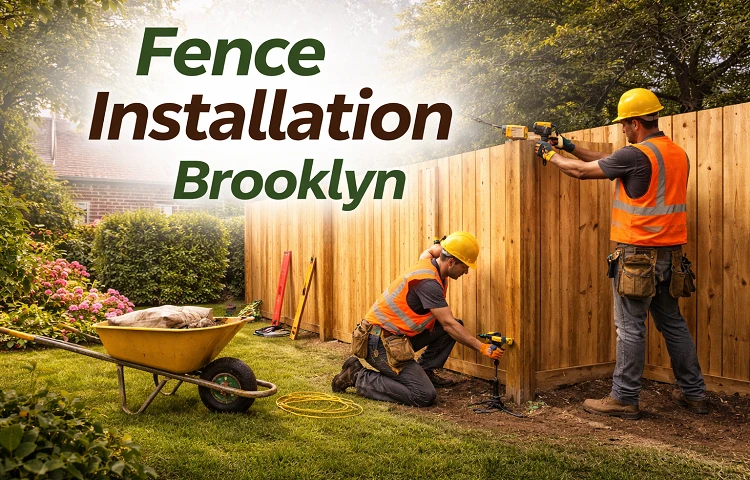
Upgrading your property with a brand new perimeter is one of the smartest investments you can make for your home. It adds security, creates a private backyard oasis in a bustling city, and immediately improves your home's curb appeal. However, if you live in the borough, you already understand that a standard cookie-cutter approach will not work. That is why mastering the art of fence installation Brooklyn style is so important.
From historic building codes to unpredictable coastal weather, putting up an exterior boundary requires serious planning. Whether you own a classic brownstone or a modern commercial space, this comprehensive guide covers everything you need to know about navigating your upcoming project alongside the experts at Greenpoint Construction.
Understanding the Brooklyn Vibe and Rules
Brooklyn is a beautiful patchwork of completely different neighborhoods, each with unique aesthetic guidelines and specific environmental challenges. Our team understands how to adapt to these hyper-local demands seamlessly.
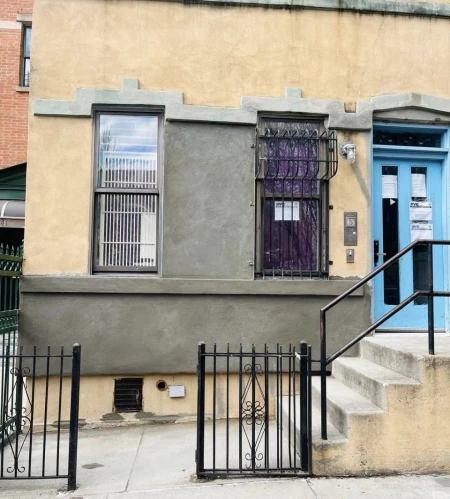
For instance, Park Slope and Prospect Heights feature beautiful tree-lined streets with historic homes. Projects in these areas usually need to respect the local Victorian-era architecture. Homeowners often choose ornate wrought iron or decorative aluminum to match the classic neighborhood vibe.
Over in Williamsburg and Greenpoint, you will find a blend of industrial history and modern development. Businesses rely on heavy-duty security boundaries, while local residents tend to favor sleek contemporary horizontal slat designs.
If you head toward Brooklyn Heights or DUMBO, you will see luxury properties right on the water. The salty ocean air makes premium composite or powder-coated aluminum essential to stop rapid rust and corrosion.
Down in Bay Ridge and Bensonhurst, single-family homes with actual backyards are much more common. Privacy is the biggest priority for families in these neighborhoods, making tall cedar wood or vinyl panels highly popular.
The Weather Factor in New York
Our local weather presents a major hurdle for any outdoor construction. The humid subtropical climate means your structure will face blazing hot summers and freezing, snowy winters. These intense freeze-thaw cycles can cause the ground to shift, which puts massive stress on buried posts.
Furthermore, homes near Brighton Beach or Coney Island must deal with heavy coastal salt air that quickly eats away at untreated metal surfaces. We also get our fair share of heavy rain and occasional strong nor'easters, meaning your chosen material must have the structural strength to withstand high winds and constant moisture. We build every structure to handle these exact environmental extremes.
Navigating Permits and Building Codes
Before you grab a shovel, you have to navigate the local bureaucracy. The New York City Department of Buildings regulates exterior structures, and ignoring the rules can lead to expensive fines. For a standard one-family or two-family home, you generally do not need a permit if the structure is six feet tall or shorter. Anything taller than that, or any commercial property project, will almost always require official approval.
In tightly packed urban spaces, property lines easily get confused. Hiring a licensed land surveyor before beginning your fence installation Brooklyn project is incredibly smart. Accidentally building on your neighbor's property is a very costly mistake to correct. If your home sits in a landmarked district, the Landmarks Preservation Commission must also approve your design. Historic areas have strict rules regarding acceptable materials and paint colors. Homeowners association boards and Co-op buildings will also require a lengthy approval process that can take several weeks, so always plan your timeline carefully. Greenpoint Construction is highly experienced in managing these precise paperwork requirements.
Choosing the Right Material for Your Yard
Selecting the perfect material means finding the right balance between your budget, how much maintenance you want to do, and your desired look.
Wood and Vinyl Options
Wood is the classic choice for warm, natural privacy. Western Red Cedar stands out as a premium option because its natural oils actively repel insects and resist decay. With proper care, a cedar perimeter can last well over twenty years. Pressure-treated pine offers a more affordable alternative that uses chemical treatments to fight off rot, though it will slowly turn a silver-gray color over time. Just remember that wood requires regular work, including cleaning and applying fresh stain or sealer every two to three years to stop warping.
If you want the beautiful look of wood without giving up your weekends to do chores, vinyl is an amazing alternative. Vinyl thrives in urban settings because it simply will not rot, rust, or fade. High-quality vinyl products include special UV inhibitors to survive the blistering summer sun and impact modifiers to prevent cracking during winter freezes. Maintenance is beautifully minimal, usually requiring just a quick rinse with a garden hose and some mild soap.
Metal and Modern Alternatives
Aluminum gives you the high-end look of traditional wrought iron but remains lightweight and highly resistant to rust. This makes it perfect for elegant front yards and safe pool enclosures. Authentic wrought iron remains the gold standard for historic brownstones. It feels incredibly heavy and secure, but you must maintain it regularly to prevent rust from forming. Chain link stands as the most budget-friendly choice, primarily serving commercial security needs or simple boundary marking.
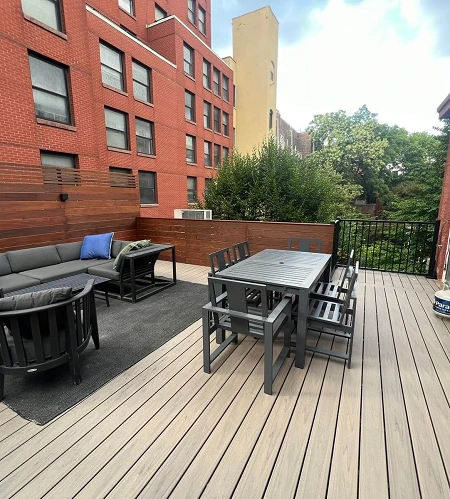
Modern alternatives are also gaining tremendous popularity across the city. Composite materials blend recycled plastics with wood fibers. They look exactly like real wood but often come with a twenty-five-year warranty against fading and insect damage. Glass panels are frequently used for elevated rooftop terraces and scenic waterfront balconies. They successfully block strong winds while completely preserving your beautiful skyline views.
Specialized Solutions for Unique Spaces
Beyond basic boundary lines, many properties have highly specific needs.
A residential pool enclosure requires strict adherence to state safety codes, meaning it must be at least forty-eight inches high with gates that open outward and latch themselves automatically.
Garden barriers, such as rustic split rails or simple wire mesh, keep urban wildlife out of your vegetable patches while letting plenty of sunlight shine through.
Heavy-duty chain link and welded steel panels help protect industrial warehouses.
For large apartment buildings, tall privacy borders create quiet courtyard spaces that buffer residents from loud street traffic.
Automated gate systems are incredibly important for controlling vehicle access in retail locations and residential parking lots.
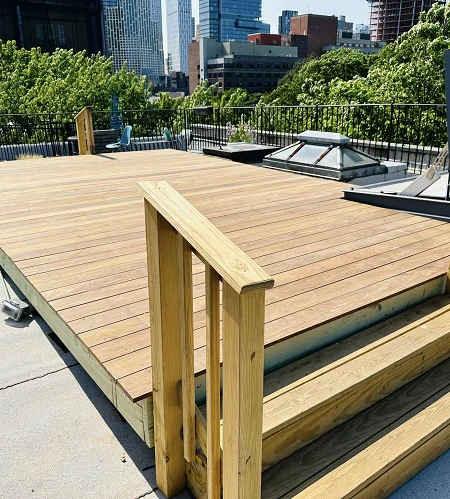
Rooftops represent premium real estate in our borough. Building high up requires complex wind load calculations and professional structural assessments to ensure safety. Sleek cable railings and tempered glass are the absolute best options for these lofty outdoor spaces.
The Professional Installation Process
Executing a proper project in a dense urban environment is an impressive engineering feat. Professional contractors follow a very strict sequence. First, a team evaluates the property grade, soil type, and access points. Sometimes, workers must carry every single piece of material by hand through a narrow alley or a cramped basement.
Next comes mandatory utility clearance. Contractors must call local services to flag underground gas, water, and electrical lines to prevent terrible disasters during the digging phase. Because of the deep winter frost line, holes must be dug deep enough so the freezing ground does not push the posts upward. Crews pour concrete footings to guarantee maximum stability. Once the foundation cures, workers attach the panels while leaving tiny expansion gaps so the materials can safely expand and contract as temperatures change. Finally, a reputable crew removes all dirt and leftover debris to protect your landscaping. They will also conduct a final walkthrough to explain how the gate hardware operates and discuss long-term care routines.
Overcoming Common City Obstacles
Contractors face unique daily hurdles in this dense city. Limited access is always the biggest problem. When big machinery cannot fit into a tiny backyard, workers must do all the heavy lifting and digging manually. Soil conditions vary wildly, from soft sandy beaches to tough rocky inland bedrock, meaning digging methods change drastically from one block to the next. Furthermore, working so close to neighbors requires immense diplomacy. A great contractor will stage materials carefully so they do not block limited street parking or accidentally damage the adjacent property.
Budgeting and Return on Investment
Pricing is calculated per linear foot and changes based on material choice and site difficulty. Budget options like chain link and pressure-treated pine generally cost between eight and twenty-five dollars per foot. Mid-range choices, including premium cedar, vinyl privacy panels, and standard aluminum, run between twenty-five and fifty dollars per foot. Premium selections like custom wrought iron, modern composites, and glass terracing can easily exceed one hundred and twenty dollars per foot.
Local labor rates reflect the high skill level required, typically sitting between forty and sixty dollars per hour. Difficult sloped yards, bedrock removal, and tight access points will push those labor costs higher. However, this project yields a truly massive return on investment. Upgrading your perimeter can provide an impressive fifty to eighty percent return by significantly boosting property value, enhancing daily security, and making the home highly attractive to future buyers.
Keeping Your Exterior Looking Great
A gorgeous property upgrade only stays beautiful if you take care of it. Following a simple seasonal checklist maximizes longevity.
In the spring, inspect everything for winter damage. Look closely for loose posts caused by freezing and thawing ground, and use a gentle power wash to remove accumulated dirt and salt off your vinyl and metal surfaces. During the summer, trim back any heavy vegetation or vines. Plants hold damp moisture against the panels, which accelerates wood rot and metal rust. Also, check your lawn sprinklers to ensure they are not constantly spraying water directly onto the structure.
When fall arrives, rake all fallen leaves away from the bottom edges. Wet foliage sitting against wood is a guaranteed recipe for rapid decay. Finally, winter requires careful snow management. Never pile heavy, shoveled snow directly against the panels, and avoid using harsh de-icing salts near metal posts. To keep everything moving smoothly, apply marine-grade grease to your gate hinges annually, and use a graphite spray on lock cylinders so they never freeze or stick.
When you invest in professional fence installation Brooklyn services, you are not just buying wood or metal. You are purchasing deep peace of mind, ultimate backyard privacy, and long-term family security. By understanding the local building regulations, choosing the best material for our wild climate, and partnering with Greenpoint Construction, you can beautifully transform your property into a true urban sanctuary. Visit us at greenpointconstructionny.com to start your next outdoor project.
#BrooklynRealEstate #FenceInstallationBrooklyn #HomeImprovementNYC #BrooklynContractors #OutdoorLiving #PropertySecurity #ExteriorDesign #GreenpointConstruction