
Building Envelope Maintenance Brooklyn Complete Guide for Property Owners
Building envelope maintenance in Brooklyn is more than routine upkeep—it's essential protection for your property investment against harsh Northeast weather con...
Building envelope maintenance in Brooklyn is more than routine upkeep—it's essential protection for your property investment against harsh Northeast weather conditions. From the salt air near the waterfront to winter freeze-thaw cycles, Brooklyn buildings face unique environmental challenges that can compromise structural integrity and energy efficiency.
This comprehensive guide covers everything Brooklyn property owners need to know about maintaining their building envelope, from identifying early warning signs to implementing cost-effective maintenance strategies. Whether you manage a historic brownstone in Park Slope or a commercial building in DUMBO, understanding proper building envelope care will save you thousands in repairs while improving occupant comfort and property value.
What is a Building Envelope?
The building envelope serves as your property's first line of defense against weather, moisture, and environmental elements. Think of it as your building's skin—a continuous barrier that separates conditioned interior spaces from the outside environment.
In Brooklyn's climate, this envelope faces unique stresses from coastal humidity, temperature fluctuations, and urban pollution that can accelerate deterioration if not properly maintained.
Definition and Key Components
A building envelope consists of all exterior-facing building elements that provide weather protection and thermal control. These components work together as an integrated system to maintain indoor comfort while protecting structural elements from moisture damage.
The envelope includes both the building's shell (walls, roof, foundation) and its openings (windows, doors, vents). When any component fails, it can compromise the entire system's performance.
Primary Functions of Building Envelopes
Weather Protection: The envelope blocks wind, rain, snow, and temperature extremes from entering the building interior.
Thermal Control: Insulation and air barriers within the envelope maintain consistent indoor temperatures while reducing energy consumption.
Moisture Management: Proper envelope design channels water away from the building while preventing vapor infiltration that can lead to mold and structural damage.
Structural Support: Envelope components like exterior walls and foundations bear building loads while maintaining structural integrity.
Main Components of a Building Envelope
Understanding each envelope component helps property owners identify maintenance needs and prioritize repairs based on condition and climate exposure.
Roof Systems
Brooklyn's varied architectural styles feature different roofing systems, each with specific maintenance requirements:
Flat Roofs: Common on commercial buildings and modern residential construction, these require regular membrane inspection and drainage maintenance to prevent ponding water.
Sloped Roofs: Traditional on brownstones and older residential buildings, featuring materials like slate, tile, or asphalt shingles that need periodic replacement and flashing maintenance.
Green Roofs: Increasingly popular in sustainable construction, requiring specialized waterproofing and drainage systems plus vegetation management.
Exterior Walls
Brooklyn's diverse building stock includes multiple wall systems:
Masonry Walls: Brick and stone construction common in historic buildings requires mortar maintenance and water penetration prevention.
Curtain Wall Systems: Modern commercial buildings use glass and metal panel systems that need sealant maintenance and thermal expansion accommodation.
Wood Frame with Siding: Residential construction featuring vinyl, fiber cement, or wood siding that requires caulking and surface protection maintenance.
Concrete and Stucco: Industrial and modern residential buildings with these materials need crack repair and surface coating maintenance.
Windows and Glazing Systems
Window systems significantly impact both energy efficiency and water infiltration risk:
Single-Pane Windows: Common in older Brooklyn buildings, these offer poor thermal performance and may need replacement or storm window addition.
Double and Triple-Pane Units: Modern windows provide better insulation but require proper installation and sealant maintenance to prevent air leakage.
Commercial Glazing: Large glass surfaces on commercial buildings need regular sealant inspection and replacement to maintain weather sealing.
Doors and Entryways
Entry systems create potential weak points in the building envelope:
Residential Doors: Front and back doors need weatherstripping replacement and frame sealing to prevent air infiltration.
Commercial Entrances: High-traffic doors require heavy-duty sealing systems and regular adjustment to maintain proper closure.
Fire Exits: Emergency doors must maintain both safety compliance and weather sealing integrity.
Foundation and Basement Structures
Below-grade envelope components face unique moisture challenges:
Foundation Walls: Concrete and masonry foundations need waterproofing and crack repair to prevent groundwater infiltration.
Basement Windows: Below-grade windows require proper drainage and sealing to prevent water entry.
Floor Slabs: Basement floors need vapor barriers and crack sealing to control moisture migration.
Insulation and Air Barriers
These hidden components significantly impact building performance:
Wall Insulation: Properly installed insulation prevents thermal bridging and condensation problems.
Roof Insulation: Adequate insulation levels reduce ice dam formation and improve energy efficiency.
Air Sealing: Continuous air barriers prevent unwanted air infiltration that can carry moisture and compromise indoor air quality.
Sealants, Caulking, and Weatherproofing
These materials provide the final weather seal:
Exterior Sealants: Silicone and polyurethane sealants at joints and penetrations need regular inspection and renewal.
Window and Door Weatherstripping: These wear items require periodic replacement to maintain air and water sealing.
Roofing Membranes: Single-ply and built-up roofing systems need regular inspection for tears, punctures, and seam failures.
Why Building Envelope Maintenance is Essential in Brooklyn
Brooklyn's urban coastal environment creates specific challenges that make proactive envelope maintenance crucial for property protection and value preservation.
Climate-Specific Challenges
Salt Air Corrosion: Properties near Brooklyn's waterfront face accelerated metal deterioration from salt exposure, requiring more frequent inspection and protective coating renewal.
Freeze-Thaw Cycles: Winter temperature fluctuations cause expansion and contraction that can crack sealants and masonry mortar, creating water infiltration pathways.
Urban Pollution: Air quality issues in dense urban areas can accelerate material degradation, particularly on building facades facing heavy traffic areas.
Hurricane and Storm Exposure: Coastal location increases risk of wind-driven rain and storm damage that can compromise envelope integrity.
Economic Benefits of Proactive Maintenance
Energy Cost Reduction: Well-maintained building envelopes can reduce heating and cooling costs by 15-30% through improved thermal performance and air sealing.
Property Value Protection: Buildings with properly maintained envelopes retain higher market values and attract quality tenants more easily.
Insurance Benefits: Some insurance providers offer discounts for buildings with documented preventive maintenance programs.
Avoided Emergency Repairs: Regular maintenance identifies issues before they become expensive emergencies, with preventive repairs typically costing 3-5 times less than reactive fixes.
Health and Safety Improvements
Indoor Air Quality: Proper envelope maintenance prevents moisture infiltration that can lead to mold growth and poor indoor air quality.
Structural Preservation: Preventing water damage protects building structure and prevents costly structural repairs.
Occupant Comfort: Consistent indoor temperatures and humidity levels improve occupant satisfaction and productivity.
Common Building Envelope Issues in Brooklyn
Understanding typical envelope problems helps property owners recognize early warning signs and prioritize maintenance activities.
Water Penetration and Leakage
Roof Leaks: Failed flashing around chimneys, vents, and roof penetrations commonly cause interior water damage in Brooklyn's older building stock.
Window Leakage: Deteriorated sealants around window frames allow wind-driven rain to enter, potentially damaging interior finishes and creating mold conditions.
Foundation Water Infiltration: High groundwater levels and aging foundation waterproofing can cause basement flooding and moisture problems.
Wall Penetrations: Failed sealants around utility penetrations, light fixtures, and HVAC equipment create water entry points.
Air Infiltration and Energy Loss
Drafty Windows: Single-pane windows and deteriorated weatherstripping allow significant air leakage that increases heating and cooling costs.
Door Sealing Problems: Warped doors and worn weatherstripping create air infiltration that affects indoor comfort and energy efficiency.
Wall Air Leaks: Gaps in exterior wall construction allow unconditioned air infiltration that can carry moisture and compromise indoor air quality.
Façade Deterioration
Brick and Mortar Problems: Freeze-thaw damage and settling can crack mortar joints, allowing water penetration that leads to further structural damage.
Stucco Cracking: Thermal expansion and building settlement create cracks in stucco facades that need prompt repair to prevent water infiltration.
Siding Issues: Warped, cracked, or missing siding pieces compromise weather protection and building appearance.
Roofing System Failures
Membrane Deterioration: Age, UV exposure, and thermal cycling can cause roofing membrane failures that lead to interior water damage.
Ice Dam Formation: Inadequate insulation and ventilation can cause ice dams that force water under roofing materials.
Gutter and Drainage Problems: Clogged or damaged gutters can cause water overflow that damages building foundations and landscaping.
Professional Building Envelope Maintenance Services
Green Point Construction offers comprehensive building envelope maintenance services designed specifically for Brooklyn's diverse building types and challenging climate conditions.
Comprehensive Inspection and Assessment
Visual Inspections: Our certified technicians conduct thorough visual examinations of all envelope components, documenting current conditions and identifying potential problem areas.
Thermal Imaging Analysis: Advanced infrared cameras detect hidden air leaks, insulation gaps, and moisture infiltration that aren't visible during standard inspections.
Moisture Detection Testing: Specialized equipment identifies moisture problems before they cause visible damage, allowing for proactive remediation.
Building Envelope Condition Reports: Detailed documentation of current envelope conditions with prioritized repair recommendations and cost estimates.
Repair and Restoration Services
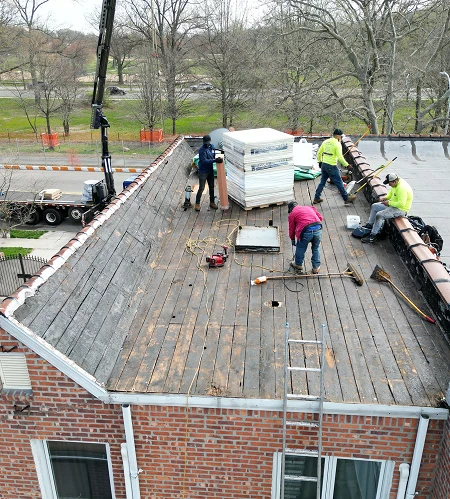
Roof Repairs and Replacement: Complete roofing services from minor leak repairs to full membrane replacement, including green roof maintenance and installation.
Masonry Restoration: Brick repointing, stone repair, and structural masonry work using historically appropriate materials and techniques for Brooklyn's older buildings.
Window and Door Sealing: Professional weatherstripping replacement, frame sealing, and glazing compound renewal to restore weather protection.
Foundation Waterproofing: Interior and exterior foundation waterproofing using modern materials and techniques to prevent groundwater infiltration.
Preventive Maintenance Programs
Seasonal Inspections: Scheduled spring and fall inspections identify weather-related damage and prepare building envelopes for upcoming seasonal challenges.
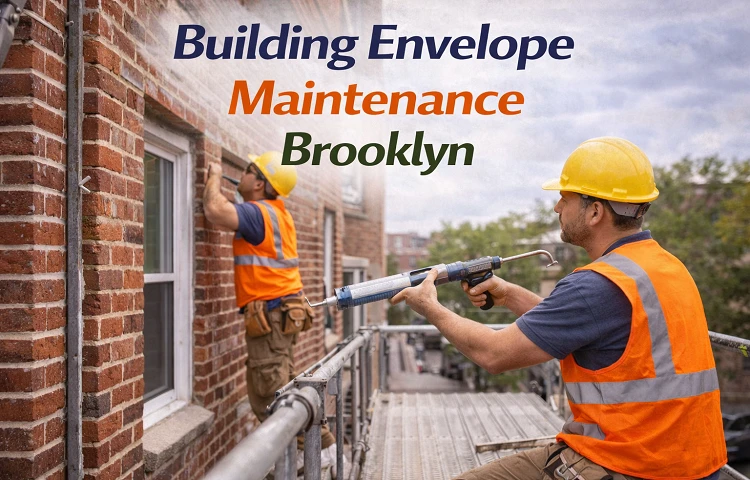
Sealant Renewal: Regular replacement of exterior sealants and caulking before failure occurs, preventing water infiltration and air leakage.
Gutter and Drainage Maintenance: Regular cleaning and inspection of gutters, downspouts, and roof drains to ensure proper water management.
HVAC Penetration Sealing: Maintenance of seals around mechanical equipment penetrations that commonly fail due to vibration and thermal cycling.
Energy Efficiency Upgrades
Window Replacement: Installation of high-performance windows designed for Brooklyn's climate conditions, often qualifying for local energy rebates.
Insulation Upgrades: Addition or replacement of insulation systems using modern materials that provide superior thermal performance.
Air Sealing Services: Comprehensive air sealing using advanced materials and techniques to reduce energy loss and improve indoor comfort.
Cool Roof Installation: Reflective roofing systems that reduce cooling costs and urban heat island effects in Brooklyn's dense urban environment.
The Green Point Construction Maintenance Process
Our systematic approach ensures thorough evaluation and effective maintenance solutions for Brooklyn properties of all types and ages.
Initial Property Assessment
Site Visit and Consultation: Our experts visit your property to assess current envelope conditions and discuss your maintenance goals and budget considerations.
Building Type Analysis: We consider your building's age, construction type, and architectural style to develop appropriate maintenance strategies.
Climate Impact Evaluation: Assessment of how Brooklyn's coastal climate and urban environment specifically affect your building's envelope performance.
Diagnostic Testing and Documentation
Comprehensive Envelope Testing: Advanced diagnostic tools identify hidden problems and performance issues that affect building efficiency and durability.
Photographic Documentation: Detailed visual records of current conditions provide baseline documentation for future maintenance planning.
Priority Ranking: Issues are ranked by urgency and impact to help property owners make informed decisions about repair timing and budget allocation.
Customized Maintenance Planning
Tailored Maintenance Schedules: Maintenance plans designed specifically for your building type, age, and condition, with scheduling that works around occupancy and budget constraints.
Preventive vs. Reactive Strategies: Balanced approach that addresses immediate needs while establishing preventive measures to avoid future problems.
Long-term Budget Planning: Multi-year maintenance projections help property owners plan capital improvements and avoid unexpected major expenses.
Expert Execution and Quality Control
Licensed and Insured Technicians: All work performed by properly licensed professionals with specific experience in Brooklyn's building types and regulations.
Quality Materials: Use of premium materials appropriate for Brooklyn's climate conditions, with manufacturer warranties and proven performance records.
Project Management: Coordinated scheduling and communication to minimize disruption to building occupants while ensuring timely completion.
Ongoing Monitoring and Support
Performance Tracking: Follow-up inspections verify repair effectiveness and identify any additional maintenance needs.
Service Agreements: Ongoing maintenance contracts provide regular inspections and priority service for participating properties.
Emergency Response: 24/7 availability for envelope-related emergencies like roof leaks or window failures that require immediate attention.
Benefits of Professional Building Envelope Maintenance
Investing in professional building envelope maintenance provides measurable returns through reduced operating costs, improved building performance, and enhanced property values.
Extended Building Lifespan
Preventive Protection: Regular maintenance prevents minor issues from becoming major structural problems that can significantly reduce building lifespan.
Material Preservation: Proper maintenance extends the useful life of expensive building components like roofing systems, windows, and façade materials.
System Integration: Professional maintenance ensures all envelope components work together effectively, maximizing overall system performance and durability.
Cost Savings and Financial Benefits
Reduced Energy Costs: Well-maintained building envelopes can reduce heating and cooling costs by 20-40% through improved thermal performance and air sealing.
Lower Insurance Premiums: Some insurance providers offer discounts for buildings with documented preventive maintenance programs and improved risk profiles.
Avoided Emergency Repairs: Regular maintenance identifies and addresses problems before they become expensive emergencies, with preventive repairs typically costing significantly less than reactive fixes.
Enhanced Property Values: Buildings with properly maintained envelopes retain higher market values and command premium rents from quality tenants.
Improved Occupant Comfort and Health
Consistent Indoor Temperatures: Proper envelope maintenance eliminates drafts and temperature variations that affect occupant comfort and productivity.
Better Indoor Air Quality: Preventing moisture infiltration reduces mold risk and maintains healthier indoor environments.
Noise Reduction: Well-sealed building envelopes provide better acoustic isolation from urban noise, improving occupant satisfaction.
Regulatory Compliance and Risk Management
Building Code Compliance: Regular maintenance ensures continued compliance with evolving building codes and energy efficiency requirements.
Environmental Responsibility: Improved energy efficiency reduces carbon footprint and supports sustainability goals.
Liability Protection: Documented maintenance programs demonstrate due diligence and can provide legal protection in case of envelope-related issues.
Building Envelope Maintenance for Different Brooklyn Property Types
Brooklyn's diverse architectural landscape requires specialized maintenance approaches based on building age, construction type, and specific environmental exposures.
Historic Brownstones and Row Houses
Unique Challenges: These buildings often feature original windows, aging masonry, and limited insulation that require careful restoration to maintain historical character while improving performance.
Maintenance Priorities: Focus on masonry repointing, window restoration or replacement, and roof maintenance while preserving architectural details.
Regulatory Considerations: Many historic properties are subject to landmark preservation requirements that affect renovation options and require specialized expertise.
Pre-War Apartment Buildings
Common Issues: These buildings typically have aging brick facades, outdated windows, and limited insulation that affect energy efficiency and occupant comfort.
Maintenance Strategies: Systematic facade restoration, window upgrades, and selective insulation improvements that don't require extensive interior renovation.
Cost Considerations: Large building size requires maintenance planning that balances immediate needs with long-term capital improvement planning.
Modern High-Rise Buildings
Envelope Complexity: Curtain wall systems, complex mechanical systems, and advanced materials require specialized knowledge and equipment for proper maintenance.
Safety Requirements: High-rise maintenance requires specialized equipment and safety protocols that add complexity and cost to maintenance activities.
System Integration: Modern buildings have sophisticated HVAC and building automation systems that must be coordinated with envelope maintenance activities.
Commercial and Industrial Buildings
Performance Requirements: These buildings often have unique envelope performance requirements related to specific business operations or regulatory compliance needs.
Maintenance Scheduling: Work must be coordinated around business operations to minimize disruption while ensuring proper envelope protection.
Specialized Systems: Industrial buildings may have specialized envelope components like loading dock seals or clean room barriers that require expert maintenance.
Waterfront Properties
Environmental Challenges: Salt air exposure, higher humidity levels, and potential flood risk require specialized materials and maintenance approaches.
Corrosion Protection: Metal components require more frequent inspection and protective coating renewal to prevent accelerated corrosion.
Storm Preparedness: Envelope systems must be designed and maintained to withstand hurricane-force winds and wind-driven rain common in coastal areas.
Seasonal Maintenance Considerations for Brooklyn Buildings
Brooklyn's four-season climate requires seasonal maintenance activities to prepare building envelopes for changing weather conditions and identify damage from previous seasons.
Spring Maintenance Activities
Winter Damage Assessment: Inspect for freeze-thaw damage to masonry, sealants, and roofing materials that may have occurred during winter months.
Gutter and Drainage Cleaning: Remove debris and inspect drainage systems to ensure proper function during spring rains.
Window and Door Maintenance: Replace weatherstripping and repair any damage that occurred during winter to prepare for summer cooling season.
Roof Inspection: Check for loose or damaged roofing materials, clean gutters and drains, and verify that flashing and penetration seals remain intact.
Summer Maintenance Activities
HVAC System Coordination: Coordinate envelope maintenance with HVAC system maintenance to optimize cooling efficiency.
Sealant Inspection: Hot weather is ideal for sealant work, as materials cure properly and adhere effectively in warm, dry conditions.
Façade Cleaning and Inspection: Summer weather provides good conditions for exterior cleaning and detailed façade inspections.
Ventilation System Check: Ensure proper ventilation system operation to prevent moisture buildup during humid summer weather.
Fall Maintenance Activities
Winter Preparation: Inspect and repair envelope components to ensure they're ready for winter weather conditions.
Leaf and Debris Removal: Clean gutters, drains, and roof areas to prevent ice dam formation and ensure proper drainage.
Heating System Coordination: Coordinate envelope sealing work with heating system preparation to optimize winter energy efficiency.
Storm Window Installation: Install storm windows or winter protection systems where applicable.
Winter Maintenance Activities
Ice Dam Prevention: Monitor for ice dam formation and take corrective action to prevent roof damage.
Emergency Repairs: Address any envelope failures that occur during winter storms to prevent interior damage.
Indoor Air Quality Monitoring: Monitor indoor humidity levels and ventilation during heating season when buildings are sealed more tightly.
Snow Load Management: Monitor snow accumulation on roofs and arrange removal if necessary to prevent structural damage.
Cost Considerations and Budgeting for Building Envelope Maintenance
Understanding maintenance costs helps property owners develop realistic budgets and make informed decisions about preventive versus reactive maintenance approaches.
Factors Affecting Maintenance Costs
Building Size and Complexity: Larger buildings and those with complex envelope systems require more extensive maintenance efforts and higher costs.
Current Envelope Condition: Buildings with deferred maintenance require higher initial investment but benefit from reduced ongoing costs once systems are properly maintained.
Access Requirements: High-rise buildings or those with difficult access require specialized equipment that increases maintenance costs.
Material Quality: Premium materials cost more initially but often provide better durability and lower long-term maintenance costs.
Preventive Maintenance Cost Benefits
Avoided Emergency Repairs: Regular maintenance prevents minor issues from becoming major expenses, with preventive repairs typically costing 60-80% less than emergency fixes.
Extended Component Life: Proper maintenance can extend the useful life of expensive components like roofing systems and windows by 30-50%.
Energy Savings: Improved envelope performance can reduce utility costs by 20-40%, providing ongoing savings that help offset maintenance costs.
Insurance and Financing Benefits: Well-maintained properties may qualify for better insurance rates and financing terms.
Budget Planning Strategies
Reserve Fund Development: Establish dedicated reserves for envelope maintenance based on building age, condition, and expected component replacement schedules.
Multi-Year Planning: Develop 5-10 year maintenance plans that spread major expenses over time and allow for advance planning and budgeting.
Seasonal Scheduling: Schedule major maintenance work during optimal weather conditions to ensure quality results and potentially lower costs.
Competitive Bidding: Obtain multiple quotes for major maintenance projects to ensure competitive pricing while maintaining quality standards.
Financing Options for Major Maintenance Projects
Energy Efficiency Incentives: Many envelope improvements qualify for utility rebates or tax incentives that can offset project costs.
Property Assessed Clean Energy (PACE) Financing: Some envelope improvements may qualify for PACE financing that allows repayment through property tax assessments.
Commercial Financing: Banks and specialty lenders offer financing for building improvements that enhance property value and cash flow.
Phased Implementation: Large projects can often be phased over multiple years to spread costs and allow cash flow to support improvements.
Choosing the Right Building Envelope Maintenance Contractor in Brooklyn
Selecting qualified professionals ensures quality work, regulatory compliance, and long-term envelope performance for your Brooklyn property.
Essential Qualifications and Certifications
Licensing Requirements: Verify that contractors hold appropriate New York State and local licensing for the specific work being performed.
Insurance Coverage: Ensure contractors carry adequate general liability and workers' compensation insurance to protect property owners from liability.
Professional Certifications: Look for contractors with industry certifications from organizations like the Building Envelope Contractors Association or manufacturer-specific training.
Local Experience: Choose contractors with specific experience working on Brooklyn's diverse building types and familiarity with local regulations and permitting requirements.
Evaluating Contractor Experience
Portfolio Review: Examine previous projects similar to your building type and maintenance needs to assess contractor capabilities.
Reference Checks: Contact recent clients to verify work quality, timeliness, and professional conduct.
Regulatory Knowledge: Ensure contractors understand local building codes, historic preservation requirements, and environmental regulations.
Technology and Equipment: Verify that contractors have access to modern diagnostic equipment and proper tools for envelope maintenance work.
Important Questions to Ask Potential Contractors
Project Timeline: How long will the work take, and what factors might affect the schedule?
Material Specifications: What specific materials will be used, and why are they appropriate for your building and Brooklyn's climate?
Warranty Coverage: What warranties are provided for both materials and workmanship?
Permit Requirements: Will permits be required, and who is responsible for obtaining them?
Site Protection: How will the contractor protect landscaping, adjacent properties, and building occupants during work?
Evaluating Proposals and Contracts
Detailed Specifications: Proposals should include specific material specifications, work procedures, and quality standards.
Cost Breakdown: Understand how costs are calculated and what factors might cause price variations.
Change Order Procedures: Understand how additional work or changes will be handled and priced.
Payment Schedule: Verify that payment schedules are tied to work completion milestones rather than advance payments.
Dispute Resolution: Understand procedures for resolving any disagreements that might arise during the project.
Red Flags to Avoid
Door-to-Door Solicitation: Reputable contractors typically don't solicit work through door-to-door sales.
Pressure for Immediate Decision: Quality contractors will allow time for consideration and comparison of proposals.
Requests for Large Advance Payments: Be cautious of contractors who request large payments before work begins.
Lack of Local References: Contractors should be able to provide references from recent local projects.
Unusually Low Bids: Extremely low bids may indicate corner-cutting or potential change orders that increase final costs.
Environmental Considerations and Sustainable Building Envelope Maintenance
Sustainable maintenance practices benefit both the environment and building performance while often providing cost savings through improved efficiency and material longevity.
Eco-Friendly Materials and Methods
Low-VOC Sealants and Coatings: Use materials with minimal volatile organic compound emissions to improve indoor air quality and reduce environmental impact.
Recycled and Renewable Materials: Where appropriate, choose materials with recycled content or those made from renewable resources.
Durable Material Selection: Prioritize materials with longer service lives to reduce replacement frequency and waste generation.
Local Material Sourcing: Choose locally manufactured materials when possible to reduce transportation environmental impact.
Energy Efficiency Improvements
High-Performance Windows: Modern window systems can dramatically improve thermal performance and reduce energy consumption.
Advanced Insulation Systems: Modern insulation materials provide superior thermal performance in thinner profiles than traditional materials.
Cool Roofing Systems: Reflective roofing materials reduce cooling loads and urban heat island effects in dense urban areas like Brooklyn.
Air Sealing Improvements: Comprehensive air sealing reduces energy consumption and improves indoor air quality.
Waste Reduction and Recycling
Material Recovery: Many envelope components like windows, doors, and metal materials can be recycled rather than landfilled.
Construction Waste Management: Proper planning can minimize waste generation and maximize recycling of construction debris.
Renovation vs. Replacement: Often, renovation and restoration of existing envelope components is more environmentally responsible than complete replacement.
Green Building Certifications
LEED Certification: Building envelope improvements can contribute to LEED certification points for energy efficiency and sustainable materials.
Energy Star Certification: Envelope improvements can help buildings achieve Energy Star certification for superior energy performance.
Local Green Building Programs: New York City and Brooklyn have local programs that recognize and incentivize sustainable building practices.
Future Trends in Building Envelope Technology and Maintenance
Emerging technologies and changing climate conditions are driving innovation in building envelope design and maintenance practices.
Smart Building Integration
Sensor Technology: Advanced sensors can continuously monitor envelope performance and alert property managers to developing problems.
Building Automation Integration: Envelope systems increasingly integrate with building automation systems to optimize performance and identify maintenance needs.
Predictive Maintenance: Data analytics can predict envelope component failures before they occur, allowing for more efficient maintenance scheduling.
Advanced Materials and Systems
Self-Healing Materials: New materials can automatically seal minor cracks and damage, reducing maintenance requirements.
Phase Change Materials: Advanced insulation systems that adapt to temperature changes can improve thermal performance and reduce energy consumption.
Photovoltaic Integration: Building-integrated solar panels are becoming part of the building envelope, requiring new maintenance approaches.
Climate Adaptation
Resilience Planning: Building envelopes must increasingly accommodate more extreme weather events and changing precipitation patterns.
Flood Resistance: Lower-level envelope components may need to be designed for periodic flood exposure.
Heat Management: Increasing temperatures require envelope systems that can manage higher cooling loads while maintaining comfort.
Maintenance Technology Advances
Drone Inspections: Unmanned aerial vehicles can safely and cost-effectively inspect high-rise building envelopes.
Robotic Maintenance: Automated systems may eventually perform routine maintenance tasks like window cleaning and sealant renewal.
Virtual Reality Training: VR technology can improve maintenance technician training and safety while reducing training costs.
Frequently Asked Questions About Building Envelope Maintenance
What exactly is included in building envelope maintenance?
Building envelope maintenance includes inspection, repair, and replacement of all exterior-facing building components that provide weather protection. This encompasses roof systems, exterior walls, windows, doors, foundations, insulation, and all sealants and weatherproofing materials. Maintenance activities range from routine caulking renewal to major roof replacement, depending on component condition and building needs.
How often should a building envelope be professionally inspected?
Most building envelopes should receive professional inspection at least annually, with additional inspections after severe weather events. High-rise buildings or those in harsh coastal environments like Brooklyn's waterfront may benefit from twice-yearly inspections. Properties with known issues or aging components may require more frequent monitoring until problems are resolved.
What are the warning signs that my building envelope is failing?
Common warning signs include interior water leaks, drafts around windows and doors, visible cracks in exterior walls, damaged or missing sealants, increased energy bills, condensation problems, musty odors suggesting mold growth, and ice dam formation on roofs. Any of these symptoms suggest envelope problems that require professional evaluation.
How much does building envelope maintenance typically cost in Brooklyn?
Maintenance costs vary significantly based on building size, type, and condition. Annual preventive maintenance typically costs $0.50-$2.00 per square foot of building area, while major repairs or replacements can range from $5-$50 per square foot depending on the scope of work. Preventive maintenance generally costs 60-80% less than emergency repairs.
Can building envelope maintenance really reduce my energy bills?
Yes, proper envelope maintenance can reduce heating and cooling costs by 20-40% through improved insulation performance, air sealing, and window efficiency. In Brooklyn's climate, these savings can amount to thousands of dollars annually for larger buildings. Energy savings often justify maintenance costs within 2-5 years.
Do I need permits for building envelope maintenance work?
Permit requirements depend on the scope of work and your building's location and historic status. Minor maintenance like sealant renewal typically doesn't require permits, while major repairs or component replacement often do. Historic buildings may have additional preservation requirements. Professional contractors should handle permit applications and ensure compliance with all regulations.
What's the difference between building envelope maintenance and renovation?
Maintenance focuses on preserving existing envelope components through regular upkeep, cleaning, and minor repairs. Renovation involves upgrading or replacing envelope components to improve performance, efficiency, or appearance. Maintenance is typically less expensive and disruptive, while renovation provides opportunities for significant performance improvements.
How do I prepare my building for envelope maintenance work?
Preparation includes clearing access areas, protecting interior furnishings if needed, coordinating with tenants or occupants about noise and disruption, ensuring contractor access to utility shutoffs, and removing valuable items from work areas. Your contractor should provide specific preparation instructions based on the planned work scope.
Is building envelope maintenance tax deductible?
Routine maintenance expenses are typically tax-deductible as operating expenses, while major improvements may need to be capitalized and depreciated over time. Consult with your tax professional to understand the specific tax implications of your envelope maintenance and improvement expenses.
How long do building envelope components typically last?
Component lifespan varies significantly based on materials, climate exposure, and maintenance quality. Roofing systems typically last 15-30 years, windows 20-40 years, sealants 5-15 years, and masonry facades 50-100+ years with proper maintenance. Regular maintenance can extend these lifespans significantly while deferring maintenance often shortens them.
Protect Your Brooklyn Property with Expert Building Envelope Maintenance
Building envelope maintenance isn't just about preventing problems—it's about protecting your investment, improving occupant comfort, and reducing long-term operating costs. Brooklyn's unique urban coastal environment demands specialized knowledge and experience that only qualified professionals can provide.
Green Point Construction combines decades of experience with Brooklyn's diverse building types, advanced diagnostic technology, and proven maintenance strategies to keep your building envelope performing at its best. Our comprehensive approach addresses immediate needs while establishing preventive measures that save money and prevent emergencies.
Don't wait for small problems to become expensive disasters. Contact Green Point Construction today for a comprehensive building envelope assessment and customized maintenance plan that protects your property and improves its performance for years to come.
Ready to protect your Brooklyn property? Call Green Point Construction at [phone number] or schedule your free consultation online. Our experts are standing by to help you develop a maintenance strategy that fits your building and budget.