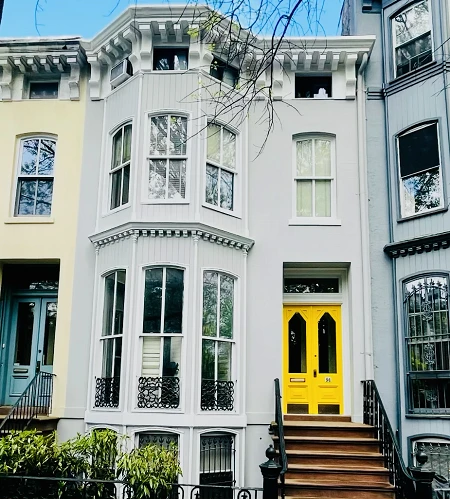


Architectural Stone Repair & Restoration in Brooklyn
You've probably noticed it on your own building or your neighbor's: stone that's starting to flake, a lintel that's cracking along the bottom edge, mortar joints so deteriorated you can pick them out with a finger. It looks like a cosmetic problem. It almost never is.
Architectural stone fails in layers. What you see on the surface—spalling, staining, cracks—is usually the last thing to show up, not the first. By the time it's visible, water has often been working behind the stone for years, freeze-thaw cycles have been quietly widening gaps since last winter, and embedded metal anchors have been rusting and expanding from the inside. Treat only the surface, and you're buying yourself another year or two before the same deterioration shows up again, usually worse.
What we actually do:
First, we figure out why the stone is failing before we touch it. Is it an anchor rusting behind the face? A lintel that's deflecting under load? A water infiltration point that was never properly sealed? The answer changes everything about how the repair gets done. Skipping this step is how stone repairs fail twice.
Second, we match the material properly. Brooklyn's older buildings use a mix of brownstone, limestone, bluestone, and cast stone—sometimes on the same facade. Getting the color, texture, and finish right isn't about aesthetics alone. A mismatched patch absorbs moisture differently than the original stone and can actually accelerate deterioration around it if it's not chosen carefully.
Third, we handle the transitions. Where stone meets metal, where it meets brick, where it meets a window frame—these joints are where water almost always gets in. Repointing the open face of a stone panel while leaving the edge conditions unaddressed just redirects the water somewhere else.
Why it matters more than people think:
A spalling facade isn't just a building code issue—it's a falling debris risk. Stone that's delaminating from a brownstone facade or parapet can drop pieces onto a sidewalk without much warning. In NYC, that's not just a liability problem. It's a DOB problem, and DOB facade inspection requirements exist precisely because this happens more often than people expect.
Our approach:
We probe and assess before we quote. If there's rusting iron behind that stone face, you'll know about it before we start—not as a surprise mid-job. We explain the difference between what's structurally urgent and what's cosmetic and can wait, so you're making a real decision, not a pressured one.
Local context:
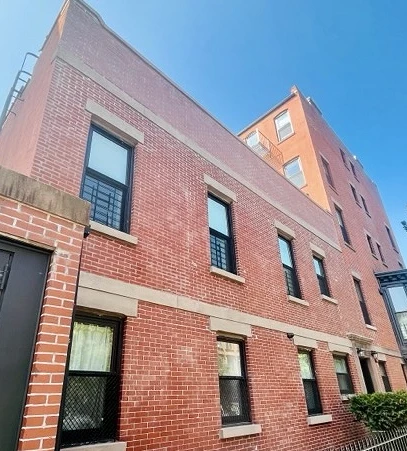
Brooklyn's pre-war building stock—brownstones, limestone rowhouses, Romanesque Revival apartment buildings—represents some of the most architecturally detailed stonework in the country. It also hasn't always been maintained well. A lot of it got patched badly in the 70s and 80s with incompatible materials that are now causing new problems. In landmarked districts like Park Slope, Prospect Heights, and Brooklyn Heights, repair materials and methods also need LPC approval. We handle that process as part of the job.
If your stone is cracking, spalling, or staining, let's figure out what's actually driving it before deciding what the repair looks like.
Get a free estimate today.
📞 +1 929 283 1434
📧 gpconstructionny@gmail.com
📍 70 Dahill Rd, Brooklyn, NY 11218
🌐 greenpointconstructionny.com