

Building Envelope Maintenance in Brooklyn, NY
A water stain on the third-floor ceiling doesn't mean the roof has a hole right above it. It could be a cracked parapet cap two floors up, a failed window flashing on the unit next door, or mortar joints that have been letting water in slowly for years. That's the thing about building envelope problems—they almost never show up where the actual failure is.
Most buildings in Brooklyn get treated like a collection of separate systems. Someone fixes the roof. A different contractor patches the facade. Nobody looks at how water and air actually move across the whole exterior, which is the only way to find out where things are really failing. That's how the same leak keeps "getting fixed" every couple of years without ever actually going away.
What we actually do:
First, we look at the building as one system, not separate trades. Roof, facade, windows, flashing, and parapet walls all interact. A crack in one spot can be letting water travel behind another. We trace it instead of guessing.
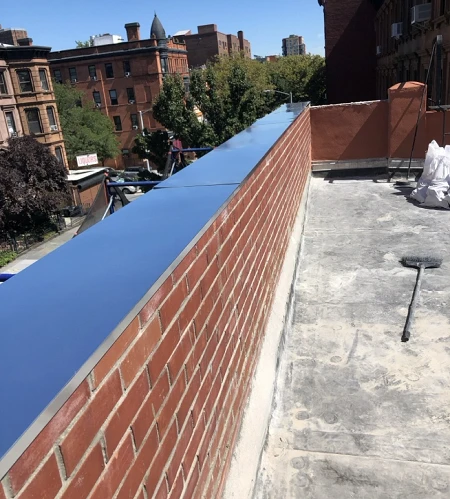
Second, we check the connections, because that's where envelopes usually fail. Window-to-wall transitions, roof-to-parapet joints, where one material meets another—these are the spots that get overlooked in a quick visual inspection but are almost always where water gets in.
Third, we prioritize based on what's actually urgent versus what can wait. Not every envelope issue needs immediate action. We tell you what's a real risk to the structure now, and what's worth monitoring, instead of pushing every job as urgent.
Why it matters more than people think:
A building envelope that's failing doesn't announce itself loudly. It's water working into masonry over years, freeze-thaw cycles widening small cracks each winter, and moisture sitting in wall cavities where you can't see it until there's visible damage or a mold problem inside. By the time it's obvious, you're often looking at structural repair instead of maintenance—a much bigger bill for the same underlying issue caught too late.
Our approach:
We don't quote a fix until we know where the actual failure is. That means inspecting the full envelope, not just the spot where the symptom showed up, so you're not paying to patch the same problem from a different angle next year.
Local context:
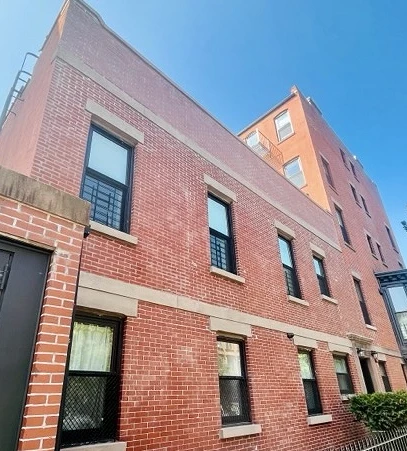
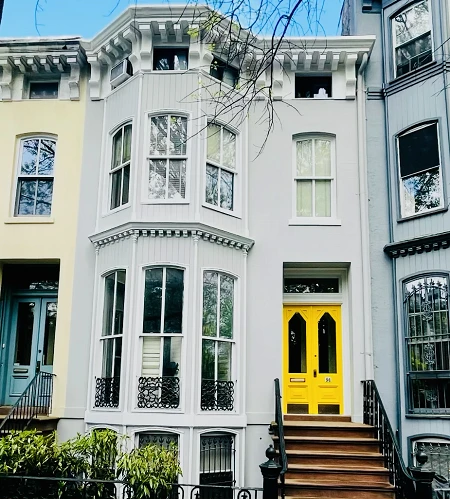
Brooklyn's building stock spans pre-war brownstones with original masonry, mid-century apartment buildings, and newer construction—and envelope issues look different on each. Older buildings often have masonry and mortar joints that have never been properly maintained. Newer buildings sometimes have envelope details that were rushed during construction. We've worked on both across Park Slope, Bed-Stuy, and Sunset Park, and we adjust the approach to the building, not the other way around.
If your building has a recurring leak, visible facade damage, or you just want a real assessment before something becomes a bigger problem, let's take a look.