
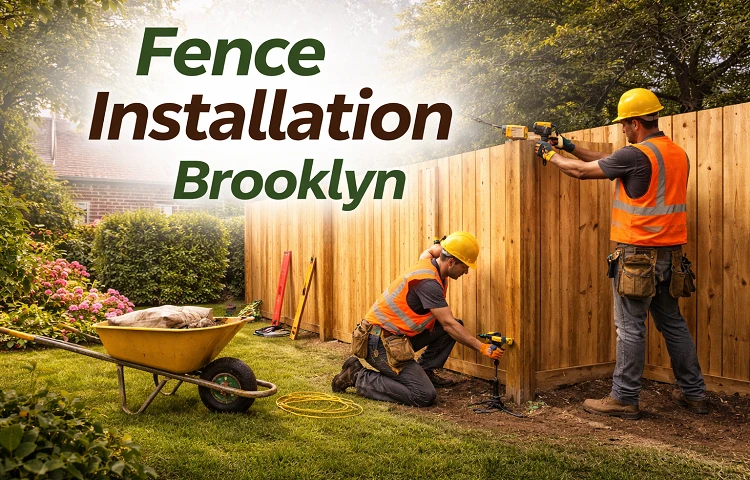
Professional Fence Installation Brooklyn Your Complete Guide to Quality Fencing Solutions
Professional Fence Installation Brooklyn Your Complete Guide to Quality Fencing SolutionsWhether you're looking to enhance your property's security, increase pr...
Professional Fence Installation Brooklyn Your Complete Guide to Quality Fencing Solutions Whether you're looking to enhance your property's security, increase privacy, or boost curb appeal, professional fence installation in Brooklyn requires careful planning and expert execution. Brooklyn's unique urban landscape, diverse neighborhoods, and specific building regulations make choosing the right fencing contractor crucial for your project's success.
This comprehensive guide covers everything you need to know about fence installation in Brooklyn, from understanding local permit requirements to selecting the perfect materials for your property. With over a decade of experience serving Brooklyn residents and businesses, Green Point Construction has helped thousands of property owners navigate the complexities of urban fence installation.
You'll discover the most suitable fencing options for Brooklyn's climate, learn about cost factors specific to the area, and understand the installation process from initial consultation to final inspection. Whether you're a homeowner in Park Slope seeking privacy fencing or a business owner in Williamsburg needing security solutions, this guide provides the insights you need to make informed decisions about your fencing project.
Understanding Brooklyn's Unique Fencing Landscape
Brooklyn's diverse neighborhoods present distinct challenges and opportunities for fence installation. From the historic brownstones of Brooklyn Heights to the industrial areas of Greenpoint, each area has specific requirements that influence fencing decisions.
Brooklyn's Diverse Neighborhoods and Fencing Needs
Park Slope and Prospect Heights feature tree-lined streets with historic properties that often require fencing solutions that complement the area's architectural character. Victorian-era homes typically benefit from ornate wrought iron or decorative aluminum fencing that maintains the neighborhood's aesthetic appeal while providing necessary boundary definition.
Williamsburg and Greenpoint, known for their mix of industrial heritage and modern development, often require more robust security fencing for commercial properties while residential areas favor contemporary designs that reflect the neighborhood's artistic culture.
Brooklyn Heights and DUMBO, with their luxury properties and scenic waterfront views, demand high-end materials like powder-coated aluminum or premium composite fencing that withstand salt air exposure while preserving property values.
Bay Ridge and Bensonhurst, characterized by single-family homes with yards, typically opt for traditional privacy fencing solutions like cedar or vinyl panels that create secure outdoor spaces for families.
Local Climate Considerations for Fence Materials
Brooklyn's humid subtropical climate presents specific challenges for fencing materials. The area experiences hot, humid summers with temperatures reaching the upper 80s and cold winters with frequent freeze-thaw cycles that can stress fencing materials.
Coastal proximity means increased salt air exposure, particularly in neighborhoods like Brighton Beach and Coney Island, requiring corrosion-resistant materials and protective coatings for metal fencing.
Heavy precipitation throughout the year, including occasional nor'easters, demands fencing materials that resist water damage and maintain structural integrity during severe weather conditions.
Brooklyn Building Codes and Permit Requirements
The Department of Buildings (DOB) regulates the building and installation of fences in Brooklyn. For one- or two-family dwellings, permits are typically not required for fences 6 feet or less in height, while taller fences may require permits and approval.
Property line surveys become crucial in Brooklyn's densely packed neighborhoods where lot lines are often disputed or unclear. It is recommended that a licensed land surveyor be hired to ensure the fence will be installed within the property boundaries.
Landmarked properties require additional approval from the Landmarks Preservation Commission, adding time and complexity to the permit process. Historic districts throughout Brooklyn have specific guidelines for fencing materials and designs that must be followed.
HOA and Co-op Board Regulations
Many Brooklyn properties fall under homeowners associations or co-op board governance, which often have stricter regulations than city requirements. These organizations typically regulate fence height, materials, colors, and designs to maintain neighborhood consistency.
Co-op buildings frequently require board approval for any exterior modifications, including fencing around ground-floor units or building perimeters. The approval process can take several weeks and may require detailed plans and material specifications.
Types of Fencing Perfect for Brooklyn Properties
Residential Fencing Options
Privacy Fences for Brooklyn Backyards
Privacy fencing serves as the backbone of residential fencing in Brooklyn, where properties are often closely spaced. Solid wood panels, vinyl privacy fencing, and composite materials provide effective screening from neighbors while creating intimate outdoor living spaces.
Cedar privacy fencing remains popular for its natural beauty and resistance to insects and decay. When properly maintained with annual staining or sealing, cedar fences can last 15-20 years in Brooklyn's climate.
Vinyl privacy fencing offers a low-maintenance alternative that won't warp, rot, or require painting. Available in various colors and textures, vinyl fencing can mimic wood grain while providing superior durability against Brooklyn's weather extremes.
Composite privacy fencing combines wood fibers with recycled plastic, creating a material that looks like wood but requires minimal maintenance. These fences resist fading, staining, and pest damage while maintaining their appearance for decades.
Decorative Fencing for Curb Appeal
Decorative fencing enhances property aesthetics while providing boundary definition. Ornamental aluminum fencing offers the classic appearance of wrought iron without the maintenance requirements, making it ideal for front yards and garden areas.
Picket fencing, available in wood, vinyl, or aluminum, provides traditional charm while maintaining an open, welcoming appearance. These fences work particularly well for properties in historic neighborhoods where architectural consistency is important.
Modern horizontal slat fencing creates contemporary appeal using materials like aluminum, steel, or composite boards. These designs complement modern architecture while providing partial privacy and wind resistance.
Pool Fencing and Safety Requirements
Pool fencing must meet specific safety codes to prevent accidental drowning. New York State requires pool barriers to be at least 48 inches high with self-closing, self-latching gates that open outward.
Aluminum pool fencing provides excellent safety while maintaining visibility into the pool area. Powder-coated finishes resist corrosion from pool chemicals and provide long-lasting protection.
Mesh pool fencing offers a removable option that meets safety requirements while preserving yard aesthetics when the pool is not in use. These systems use tensioned mesh panels supported by metal posts.
Garden and Landscape Fencing
Garden fencing protects landscaping investments while adding structure to outdoor spaces. Low decorative fencing defines planting areas without blocking views or creating a fortress-like appearance.
Split rail fencing provides rustic charm while allowing air circulation around plantings. This style works well for larger properties or those seeking a country aesthetic within the urban environment.
Wire mesh fencing with wood or metal posts protects vegetable gardens from urban wildlife while maintaining an open appearance. Galvanized mesh resists rust and provides years of reliable service.
Commercial Fencing Solutions
Security Fencing for Brooklyn Businesses
Commercial properties require robust security fencing to protect assets and employees. Chain link fencing with privacy slats or barbed wire provides effective security at reasonable costs.
Steel security fencing offers maximum protection for high-value facilities. Welded steel panels with anti-climb features deter intrusion while providing clear sight lines for surveillance systems.
Electric fencing systems, when properly installed and marked, provide additional security layers for critical infrastructure or high-risk facilities.
Industrial and Warehouse Fencing
Industrial properties often require specialized fencing solutions that combine security with functionality. Heavy-duty chain link with reinforced posts handles the demands of industrial environments while providing necessary access control.
Cantilever gates accommodate large vehicles and equipment while maintaining security perimeters. These systems require minimal ground clearance and operate smoothly even with frequent use.
Razor wire or concertina wire additions provide enhanced security for sensitive industrial facilities while clearly marking property boundaries.
Retail Property Perimeter Fencing
Retail properties benefit from fencing that provides security without creating an unwelcoming appearance. Decorative security fencing combines attractive designs with robust construction to protect inventory while maintaining curb appeal.
Automated gate systems control vehicle access to loading areas and employee parking while allowing easy operation for authorized personnel.
Temporary fencing solutions accommodate seasonal changes or special events while maintaining property security and organization.
Multi-Family Building Fencing
Apartment buildings and condominiums often require fencing that balances privacy, security, and aesthetics. Tall privacy fencing creates courtyard spaces while blocking street noise and activity.
Fence-mounted planters and decorative elements soften the appearance of security fencing while providing residents with attractive outdoor environments.
Access control integration allows residents to enter secured areas while preventing unauthorized access to building grounds and amenities.
Specialty Fencing Applications
Historic Brownstone Appropriate Fencing
Brooklyn's historic brownstones require fencing that complements their architectural significance. Cast iron reproductions maintain historical accuracy while providing modern durability and security.
Wrought iron restoration services can refurbish existing historic fencing, preserving original craftsmanship while improving structural integrity and corrosion resistance.
Powder coating in historically appropriate colors extends the life of metal fencing while maintaining the authentic appearance required in landmark districts.
Rooftop and Terrace Fencing
Rooftop installations require specialized expertise to ensure proper installation without compromising building integrity. Wind load calculations and structural assessments determine appropriate fencing types and installation methods.
Glass panel systems provide wind protection while maintaining views, making them ideal for rooftop terraces and outdoor dining areas.
Cable railing systems offer modern aesthetics with minimal visual impact, perfect for contemporary buildings and penthouse installations.
Parking Lot and Driveway Gates
Automated entry systems control access to private parking areas while providing convenience for residents and employees. Card readers, remote controls, and smartphone apps offer various access options.
Swing gates work well for narrower openings, while sliding gates accommodate wider entrances and areas with limited clearance space.
Barrier arm systems provide cost-effective access control for larger parking facilities while maintaining clear sight lines and easy maintenance access.
Temporary Construction Fencing
Construction projects require temporary fencing that provides security and safety while meeting city requirements. Chain link panels with weighted feet offer quick installation and removal.
Privacy screens protect construction sites from public view while reducing dust and debris spread to neighboring properties.
Pedestrian barriers and traffic control systems ensure public safety during construction while maintaining access to sidewalks and building entrances.
Fence Materials: Choosing the Right Option for Brooklyn
Wood Fencing
Cedar Fencing Benefits and Maintenance
Cedar represents the premium choice for wood fencing in Brooklyn due to its natural resistance to insects, decay, and moisture. The wood's natural oils repel termites and carpenter ants, common problems in urban environments.
Western Red Cedar offers superior weather resistance and beautiful grain patterns that enhance property aesthetics. When properly maintained, cedar fencing can last 20-25 years in Brooklyn's climate.
Maintenance requirements include annual inspection for loose boards or hardware, cleaning with mild detergent solutions, and applying protective stains or sealers every 2-3 years to maintain appearance and extend lifespan.
Pressure-Treated Pine Options
Pressure-treated pine provides an economical alternative to cedar while offering good durability and resistance to rot and insects. Chemical treatments penetrate deep into the wood fibers, providing long-lasting protection against decay.
Southern Yellow Pine, the most common pressure-treated lumber, offers excellent strength and affordability. The treatment process gives the wood a greenish tint that weathers to gray over time.
Maintenance involves regular inspection for warping, splitting, or hardware problems. Annual cleaning and staining help maintain appearance while extending the fence's useful life.
Composite Wood Alternatives
Composite fencing materials combine wood fibers with recycled plastics, creating products that offer wood's natural appearance with superior durability and reduced maintenance requirements.
These materials resist fading, staining, and pest damage while maintaining consistent appearance throughout their lifespan. Many manufacturers offer 25-year warranties against defects and performance issues.
Installation costs are typically higher than natural wood, but reduced maintenance requirements and longer lifespan often provide better long-term value for Brooklyn property owners.
Weather Resistance in Brooklyn Climate
Brooklyn's climate challenges wood fencing through temperature extremes, moisture exposure, and seasonal freeze-thaw cycles. Proper wood selection, treatment, and maintenance are crucial for long-term performance.
Moisture management through proper grading, drainage, and ventilation prevents standing water that accelerates wood decay. Post caps and trim boards protect vulnerable end grain from water infiltration.
Annual maintenance schedules timed with Brooklyn's seasons help identify and address problems before they compromise fence integrity or appearance.
Vinyl and PVC Fencing
Durability in Urban Environments
Vinyl fencing excels in Brooklyn's urban environment where exposure to pollution, salt air, and temperature extremes challenge traditional materials. UV inhibitors prevent fading while impact modifiers resist cracking from accidental impacts.
The material won't rust, rot, or require painting, making it ideal for property owners seeking low-maintenance solutions. Quality vinyl fencing can maintain its appearance for 30+ years with minimal care.
Wind resistance becomes important in Brooklyn's exposed areas. Proper post installation and reinforcement ensure vinyl fencing withstands seasonal storms and high winds.
Color Options and Customization
Modern vinyl fencing offers extensive color options beyond traditional white, including earth tones, grays, and wood-grain textures that complement various architectural styles.
Through-body coloring prevents color changes from scratches or impacts, maintaining consistent appearance throughout the fence's lifespan.
Customization options include various rail configurations, post caps, lattice sections, and coordinated gates that create cohesive property designs.
Low Maintenance Benefits
Vinyl fencing requires only periodic cleaning with soap and water to maintain its appearance. No painting, staining, or sealing is necessary, reducing long-term maintenance costs and effort.
Stain resistance means most marks from urban pollution, plant materials, or general use wash away easily without special cleaners or treatments.
Individual component replacement is possible if damage occurs, allowing spot repairs without fence replacement.
Cost Comparison with Other Materials
Initial vinyl fencing costs typically exceed wood but remain competitive with aluminum and steel options. The investment pays off through eliminated maintenance costs and extended lifespan.
Labor costs for vinyl installation are generally lower than wood due to standardized components and simplified installation procedures.
Return on investment calculations should consider reduced maintenance time and costs over the fence's expected 30+ year lifespan.
Metal Fencing Solutions
Aluminum Fencing Advantages
Aluminum fencing provides the classic appearance of wrought iron without the maintenance requirements or rust concerns. Powder coating creates durable, attractive finishes that resist fading and corrosion.
The material's lightweight nature simplifies installation while maintaining excellent strength-to-weight ratios. Pre-fabricated sections ensure consistent quality and appearance.
Recyclability makes aluminum an environmentally responsible choice that maintains value even at the end of its service life.
Steel and Iron Fencing Applications
Steel fencing offers maximum security and durability for commercial applications or high-security residential installations. Hot-dip galvanizing followed by powder coating provides decades of corrosion protection.
Wrought iron, whether original antique pieces or modern reproductions, provides unmatched elegance for historic properties and upscale installations.
Welded steel construction creates virtually impregnable barriers for critical security applications while maintaining attractive appearances.
Chain Link for Commercial Properties
Chain link fencing provides economical security for commercial properties while allowing visibility and air circulation. Galvanized coating prevents rust while vinyl coating adds color and enhanced corrosion protection.
Fabric weights and mesh sizes accommodate various security requirements, from light-duty boundary definition to heavy-duty security applications.
Barbed wire, razor wire, or privacy slats can enhance basic chain link systems to meet specific security or privacy requirements.
Wrought Iron for Historic Properties
Traditional wrought iron fencing maintains historical authenticity while providing modern security and durability. Restoration services can refurbish existing installations while preserving original craftsmanship.
Modern manufacturing techniques create wrought iron reproductions that match historical designs while incorporating contemporary security features and corrosion protection.
Custom fabrication services can recreate missing sections or design new installations that complement existing historic fencing.
Modern Fencing Materials
Composite Fencing Technology
Advanced composite materials combine recycled plastics with wood fibers or other reinforcing materials to create fencing that outperforms traditional options in many applications.
Color-through technology ensures consistent appearance even if surfaces are damaged, while UV stabilizers prevent fading in Brooklyn's sunny conditions.
Some composite systems include steel reinforcing cores that provide additional strength while maintaining the material's low-maintenance benefits.
Eco-Friendly Bamboo Options
Bamboo fencing offers sustainable alternatives that grow rapidly and sequester carbon during production. Engineered bamboo products provide improved durability and consistency compared to natural bamboo screening.
Treatment processes enhance bamboo's natural resistance to insects and decay while maintaining its distinctive appearance and texture.
Installation techniques for bamboo fencing must account for the material's unique expansion and contraction characteristics in Brooklyn's variable climate.
Glass Panel Fencing
Tempered glass panels provide unobstructed views while creating effective windbreaks for rooftop terraces and waterfront properties.
Safety glass standards ensure resistance to breakage while maintaining security and privacy when desired.
Structural requirements for glass fencing typically require engineered solutions and professional installation to ensure proper performance and safety.
Mixed Material Designs
Contemporary fencing designs often combine materials to achieve specific functional and aesthetic goals. Steel frames with wood infill panels offer durability with natural beauty.
Stone or concrete posts with metal or wood panels create substantial installations that complement urban architecture while providing long-term durability.
Mixed material designs require careful planning to ensure compatibility between materials with different expansion rates and maintenance requirements.
The Professional Fence Installation Process
Initial Consultation and Property Assessment
Site Evaluation and Measurements
Professional fence installation begins with comprehensive site evaluation to identify challenges and opportunities that affect project planning and pricing. Accurate measurements using professional surveying equipment ensure proper material ordering and fence positioning.
Property grade variations, existing landscaping, and access limitations influence installation methods and equipment requirements. Digital site mapping helps visualize the completed project and identify potential issues before installation begins.
Existing utilities, both visible and underground, require location and marking to prevent dangerous and expensive accidents during installation.
Soil and Terrain Analysis
Brooklyn's varied soil conditions, from sandy areas near the waterfront to clay-heavy inland areas, significantly impact fence installation methods and post-setting requirements.
Soil compaction testing determines appropriate post-hole depths and concrete requirements for stable installations that will withstand frost heaving and settling.
Drainage patterns and standing water issues must be addressed to prevent post rot and maintain fence stability over time.
Utility Line Identification
Professional contractors flag underground utility lines before beginning installation to prevent dangerous accidents and service disruptions. 811 "Call Before You Dig" services provide utility location marking at no charge.
Private utilities like irrigation systems, landscape lighting, and security systems require separate location services since 811 only marks public utilities.
Utility conflicts may require fence design modifications or specialized installation techniques that can affect project timelines and costs.
Design Consultation and Planning
Professional design consultation helps property owners select appropriate materials, styles, and configurations that meet functional requirements while complementing property aesthetics.
Computer-aided design (CAD) software creates accurate project visualizations that help clients understand how the completed fence will look and function.
Budget discussions ensure projects align with financial constraints while maximizing value and meeting essential requirements.
Permits and Legal Requirements
Brooklyn Building Department Permits
For one- or two-family dwellings in Brooklyn, DOB does not require permits for fences 6 feet or less in height. Taller fences, commercial installations, and certain locations may require permits and inspections.
Permit applications require detailed drawings showing fence location, height, materials, and relationship to property lines and existing structures.
Processing times vary seasonally but typically require 2-4 weeks for standard residential applications. Commercial projects may require additional time for plan review and approval.
Property Line Surveys
Property line surveys become crucial in Brooklyn's densely developed areas where boundary disputes are common and expensive to resolve after fence installation.
Licensed surveyors provide legal documentation of property boundaries and may identify encroachments or easements that affect fence placement.
Survey costs typically range from $500-1,500 depending on property size and complexity but provide valuable insurance against future boundary disputes.
Neighbor Notification Requirements
Good neighbor practices include discussing fence plans with adjacent property owners before installation begins. Early communication prevents misunderstandings and potential legal disputes.
Some municipalities require formal notification to adjacent property owners before fence installation, particularly for tall or commercial installations.
Boundary line fences may require mutual agreement between property owners regarding design, materials, and maintenance responsibilities.
Timeline for Permit Approval
Standard residential fence permits typically receive approval within 2-4 weeks of submission, assuming complete and accurate applications.
Complex projects involving historic districts, landmark properties, or commercial installations may require 6-8 weeks or longer for review and approval.
Permit expediting services are available for urgent projects but involve additional fees and may not guarantee faster approval times.
Pre-Installation Preparation
Site Marking and Layout
Precise site marking using professional surveying equipment ensures accurate fence placement and proper material utilization. Stakes and string lines mark the fence route and gate locations.
Spray paint or flags mark post locations, typically spaced 6-8 feet apart depending on fence type and local wind loads.
Layout verification with property owners prevents costly mistakes and ensures the completed fence meets expectations and requirements.
Underground Utility Clearance
Utility clearance involves more than just marking lines—actual excavation requires hand digging near marked utilities to prevent damage and ensure worker safety.
Private utility location services may be necessary for irrigation systems, outdoor lighting, or security system wiring not covered by 811 services.
Conflicts with utilities may require fence design modifications or specialized installation techniques that can affect project schedules and costs.
Material Delivery and Storage
Just-in-time delivery minimizes material storage requirements while ensuring supplies arrive when needed for installation. Weather protection prevents damage to sensitive materials like wood or metal components.
Staging areas require protection from theft and weather while maintaining access for installation crews and equipment.
Material inspection upon delivery identifies damage or defects before installation begins, preventing delays and ensuring quality results.
Weather Contingency Planning
Brooklyn's variable weather patterns require flexible scheduling and contingency planning to maintain project timelines. Concrete work requires temperatures above freezing and dry conditions for proper curing.
Winter installations may require ground thawing equipment for frozen soil conditions, while summer work requires heat protection measures for crew safety.
Weather delays are communicated promptly to property owners with revised schedules and completion dates.
Installation Methodology
Foundation and Post Setting
Post installation methods vary based on soil conditions, fence type, and local building requirements. Concrete footings provide maximum stability for permanent installations.
Post-hole depth typically equals one-third of the above-ground post height plus 6 inches, with deeper holes required for sandy or unstable soils.
Fast-setting concrete allows same-day installation progress while providing adequate strength for immediate panel attachment.
Panel Installation Techniques
Panel installation follows manufacturer specifications and local building codes to ensure proper alignment, spacing, and attachment methods.
Level and plumb installation requires constant checking and adjustment to maintain professional appearance and proper function.
Expansion gaps accommodate thermal expansion and contraction while maintaining weather resistance and structural integrity.
Gate Installation and Hardware
Gate installation requires precise measurements and hardware selection appropriate for the gate size, weight, and usage frequency.
Self-closing hinges and lockable latches meet safety requirements for pool fencing while providing convenience for daily use.
Professional adjustment ensures proper clearances and smooth operation throughout the gate's service life.
Quality Control Checkpoints
Regular quality inspections throughout the installation process identify and correct issues before they affect the final result.
Post alignment and panel spacing checks ensure consistent appearance and proper function of the completed fence.
Hardware torque specifications and connection methods follow manufacturer requirements for warranty compliance and long-term performance.
Post-Installation Services
Cleanup and Site Restoration
Professional cleanup removes all installation debris, excess materials, and construction impacts to restore the property to pre-construction condition.
Landscape restoration may include reseeding, mulching, or replanting areas disturbed during installation.
Final site inspection ensures all work meets professional standards and customer expectations before project completion.
Final Inspection and Walkthrough
Customer walkthrough provides opportunity to explain maintenance requirements, warranty coverage, and proper fence operation.
Final inspection documents ensure all work complies with contract specifications and local building codes.
Punch list items are identified and scheduled for prompt completion to ensure total customer satisfaction.
Warranty Documentation
Comprehensive warranty documentation covers materials, workmanship, and specific performance standards for the installed fence system.
Maintenance schedules and recommendations help property owners protect their investment and maintain warranty coverage.
Contact information for warranty service ensures prompt response to any issues that may arise during the warranty period.
Maintenance Schedule Setup
Customized maintenance schedules consider local climate conditions, material requirements, and property owner preferences.
Seasonal maintenance reminders help property owners stay on top of required care to maximize fence life and appearance.
Professional maintenance services are available for property owners who prefer turnkey solutions for fence care and upkeep.
Brooklyn Fence Installation Challenges and Solutions
Urban Installation Obstacles
Limited Access Properties
Many Brooklyn properties present access challenges that require specialized equipment and installation techniques. Narrow side yards, gated courtyards, and multi-story buildings limit equipment access and material staging options.
Hand-carry installation techniques accommodate tight spaces while maintaining quality standards and professional results. Specialized tools and equipment designed for confined spaces ensure efficient installation progress.
Coordination with building management and residents minimizes disruption while maintaining project schedules and quality standards.
Neighboring Property Considerations
Dense urban development means fence installation affects multiple properties and requires careful coordination with adjacent property owners and tenants.
Protection of neighboring landscaping, structures, and vehicles during installation prevents damage claims and maintains good community relations.
Scheduling considerations accommodate neighbor concerns about noise, access, and disruption during normal business or residential hours.
Underground Utility Conflicts
Brooklyn's extensive underground infrastructure creates frequent conflicts with fence installation that require creative solutions and specialized techniques.
Utility relocation services may be necessary for severe conflicts, adding time and cost to projects but ensuring safe and compliant installations.
Alternative fence designs or installation methods can work around utility conflicts while maintaining desired functionality and appearance.
Street Parking and Equipment Access
Limited parking and strict enforcement in many Brooklyn neighborhoods require careful planning for equipment access and material delivery.
Permit requirements for temporary equipment staging or street closures must be obtained in advance to prevent installation delays.
Coordination with local parking authorities and residents helps minimize disruption while maintaining efficient installation progress.
Soil and Foundation Issues
Brooklyn's Varied Soil Conditions
Brooklyn's geology ranges from sandy soils near the waterfront to heavy clay in inland areas, each presenting unique challenges for fence installation.
Soil testing determines appropriate installation methods and foundation requirements for stable, long-lasting fence installations.
Drainage improvements may be necessary in areas with poor soil conditions to prevent water accumulation and foundation problems.
Bedrock and Excavation Challenges
Shallow bedrock in some Brooklyn areas requires specialized excavation equipment and techniques that can increase installation costs and complexity.
Rock drilling equipment and techniques allow proper post installation even in challenging geological conditions.
Alternative foundation methods, such as surface mounting or driven posts, may provide solutions where conventional excavation is not feasible.
Drainage and Water Management
Poor drainage can undermine fence foundations and accelerate material deterioration in Brooklyn's wet climate.
French drains, grading improvements, and proper material selection address drainage issues while maintaining fence performance.
Waterproofing treatments and materials protect fence components from moisture damage in areas with drainage challenges.
Frost Line Considerations
Brooklyn's frost line depth requires post installation below frost penetration levels to prevent heaving and structural problems.
Proper concrete curing and backfill techniques ensure posts remain stable through freeze-thaw cycles common in the regional climate.
Foundation design considers frost line depth while accommodating local soil conditions and fence requirements.
Seasonal Installation Factors
Optimal Installation Seasons
Spring and fall provide ideal conditions for fence installation in Brooklyn, with moderate temperatures and lower precipitation levels.
Ground conditions are typically optimal during these seasons, with soil that's workable but not overly wet or frozen.
Scheduling installations during optimal seasons helps ensure quality results and efficient project completion.
Winter Installation Limitations
Frozen ground conditions and concrete curing requirements limit winter fence installation options in Brooklyn's climate.
Ground thawing equipment and heated concrete additives can enable winter installations when necessary but increase costs and complexity.
Indoor storage requirements for materials and equipment add logistical challenges to winter installations.
Spring Ground Thaw Considerations
Spring ground thaw can create muddy, unstable conditions that complicate equipment access and foundation excavation.
Waiting for ground conditions to stabilize prevents damage to property landscapes and ensures proper installation conditions.
Scheduling flexibility accommodates variable spring weather patterns and ground conditions in Brooklyn.
Summer Heat and Material Expansion
Hot summer temperatures affect material handling and expansion considerations for fence installation in Brooklyn.
Early morning installation schedules help avoid extreme heat while ensuring optimal working conditions for installation crews.
Material storage and handling procedures prevent heat damage while maintaining quality standards.
Cost Factors for Brooklyn Fence Installation
Material Cost Analysis
Budget-Friendly Options
Chain link fencing provides the most economical fencing option for Brooklyn properties, with basic galvanized systems starting around $8-12 per linear foot installed.
Pressure-treated wood fencing offers attractive, natural appearance at moderate costs, typically ranging $15-25 per linear foot depending on style and height.
Basic vinyl fencing systems provide low maintenance benefits at competitive prices, generally ranging $20-30 per linear foot installed.
Mid-Range Material Pricing
Cedar wood fencing represents the mid-range option, offering superior durability and appearance compared to pressure-treated lumber, typically costing $25-40 per linear foot installed.
Aluminum fencing provides attractive, durable options that mimic wrought iron appearance while offering lower maintenance requirements, generally ranging $30-50 per linear foot.
Composite fencing materials offer wood appearance with superior durability, typically costing $35-55 per linear foot installed including hardware and gates.
Premium Fencing Investments
Wrought iron fencing, whether restored antique pieces or custom fabricated new installations, represents premium investment ranging $50-100+ per linear foot.
Stainless steel and architectural metals provide contemporary aesthetics with maximum durability, typically costing $60-120+ per linear foot installed.
Custom millwork and specialty materials can exceed $100 per linear foot for unique designs and premium installations.
Long-Term Value Considerations
Life-cycle costing considers initial installation costs plus maintenance requirements and expected lifespan to determine true fence value.
Premium materials often provide better long-term value through reduced maintenance costs and extended service life.
Property value improvements from quality fencing installations often justify premium material investments in Brooklyn's competitive real estate market.
Labor and Installation Costs
Brooklyn Market Labor Rates
Brooklyn's skilled labor market commands premium rates for quality fence installation, with experienced crews charging $40-60 per hour for installation work.
Complex installations requiring specialized skills or equipment may command higher rates reflecting the expertise and equipment required.
Union labor requirements for commercial projects can significantly increase labor costs but ensure quality workmanship and proper insurance coverage.
Complexity Factors Affecting Price
Sloped terrain requiring custom panels and stepped installations can increase labor costs by 25-50% compared to level installations.
Limited access situations requiring hand-carry installation or specialized equipment add significant labor costs to project budgets.
Underground utility conflicts and specialized excavation requirements can double normal installation labor costs.
Permit and Inspection Fees
Building permits for fence installation typically cost $100-300 depending on project scope and local jurisdiction requirements.
Professional survey services add $500-1,500 to project costs but provide essential boundary verification for permanent installations.
Inspection fees and reinspection costs should be included in project budgets to ensure code compliance and permit closure.
Additional Service Costs
Site preparation including tree removal, grading, or utility relocation can add significant costs depending on property conditions.
Existing fence removal and disposal typically costs $3-8 per linear foot depending on materials and access conditions.
Landscaping restoration following installation may add $2-5 per linear foot for seeding, mulching, and basic restoration work.
Financing and Payment Options
Payment Schedule Structures
Standard payment schedules typically require 20-30% deposit upon contract signing, with progress payments at material delivery and substantial completion.
Final payment retention of 5-10% ensures completion of punch list items and customer satisfaction before final payment.
Financing terms and payment schedules should be clearly documented in written contracts to prevent misunderstandings.
Financing Programs Available
Home improvement loans through banks and credit unions provide competitive financing options for fence installation projects.
Contractor financing programs may offer promotional rates or deferred payment options for qualified property owners.
Home equity lines of credit often provide the most cost-effective financing for substantial fence installation projects.
Insurance Coverage Considerations
Contractor insurance verification protects property owners from liability for accidents or damage during installation.
Property insurance may cover fence replacement following storm damage, but coverage varies significantly between policies.
Warranty protection ensures repair or replacement of defective materials or workmanship within specified time periods.
Return on Investment Analysis
Quality fence installations typically provide 50-80% return on investment through increased property values and enhanced marketability.
Security and privacy benefits provide ongoing value that may justify premium installations even without full cost recovery.
Maintenance cost savings from premium materials can offset higher initial costs over the fence's service life.
Maintenance and Longevity
Seasonal Maintenance Requirements
Spring Inspection and Cleaning
Annual spring inspections identify winter damage and maintenance needs before problems worsen or compromise fence integrity.
Power washing removes winter accumulation of dirt, salt, and pollution while preparing surfaces for refinishing if necessary.
Hardware inspection and tightening addresses fasteners loosened by freeze-thaw cycles and seasonal movement.
Summer Weather Protection
UV protection through staining or protective coatings prevents sun damage to wood and plastic fencing materials.
Irrigation system adjustments prevent overwatering that can damage fence foundations and accelerate material deterioration.
Vegetation management prevents plant growth that can damage fencing or create maintenance problems.
Fall Preparation Tasks
Leaf removal prevents accumulation that can retain moisture and accelerate material deterioration.
Storm preparation includes securing loose panels and gates that could be damaged by high winds.
Final fertilizer applications should avoid fence lines where nutrient runoff can accelerate metal corrosion.
Winter Damage Prevention
Snow load management prevents excessive weight accumulation that can damage fence panels and posts.
Ice dam prevention protects fence components from damage caused by freeze-thaw cycles and ice accumulation.
Salt application near fence lines should be minimized to prevent accelerated corrosion of metal components.
Material-Specific Care
Wood Fence Staining and Sealing
Cedar fencing requires staining or sealing every 2-3 years to maintain appearance and weather protection in Brooklyn's climate.
Pressure-treated lumber benefits from annual staining to maintain appearance and extend service life beyond the basic treatment protection.
Proper surface preparation including cleaning and light sanding ensures optimal stain penetration and longevity.
Metal Fence Rust Prevention
Regular inspection identifies early rust formation that can be treated before extensive damage occurs.
Touch-up painting addresses scratches and chips that expose bare metal to moisture and accelerate corrosion.
Rust converters and primers provide additional protection for areas showing early signs of corrosion.
Annual washing removes salt deposits and pollutants that accelerate metal corrosion in Brooklyn's urban environment.
Vinyl Fence Cleaning Methods
Vinyl fencing requires only periodic cleaning with mild soap and water to maintain appearance and performance.
Pressure washing on low settings removes stubborn stains without damaging the material surface or finish.
Avoid abrasive cleaners or scrubbing that can scratch vinyl surfaces and create areas for dirt accumulation.
Chemical cleaners specifically designed for vinyl provide effective cleaning for tough stains without material damage.
Gate Hardware Maintenance
Gate hinges require annual lubrication with marine-grade grease to ensure smooth operation and prevent seizure.
Latch mechanisms need periodic adjustment to maintain proper alignment and secure closure.
Self-closing hardware requires tension adjustment to ensure consistent performance and safety compliance.
Lock cylinders benefit from graphite lubrication to prevent sticking and ensure reliable security function.